In 2026, the management genre still has a shadowy corner for players who like their spreadsheets served with dread. A third-person observer—let us call her the Strategist—sits down at her desk, dims the lights, and asks a simple question: which games make every decision feel like a small wound? The answer is a lineup of titles that turn resource bars into moral minefields. From voyeuristic apartments to frozen cities and war-torn shelters, these games whisper, you can optimize this... but should you?
Do Not Feed The Monkeys 2099: The Cage Keeper's Dilemma
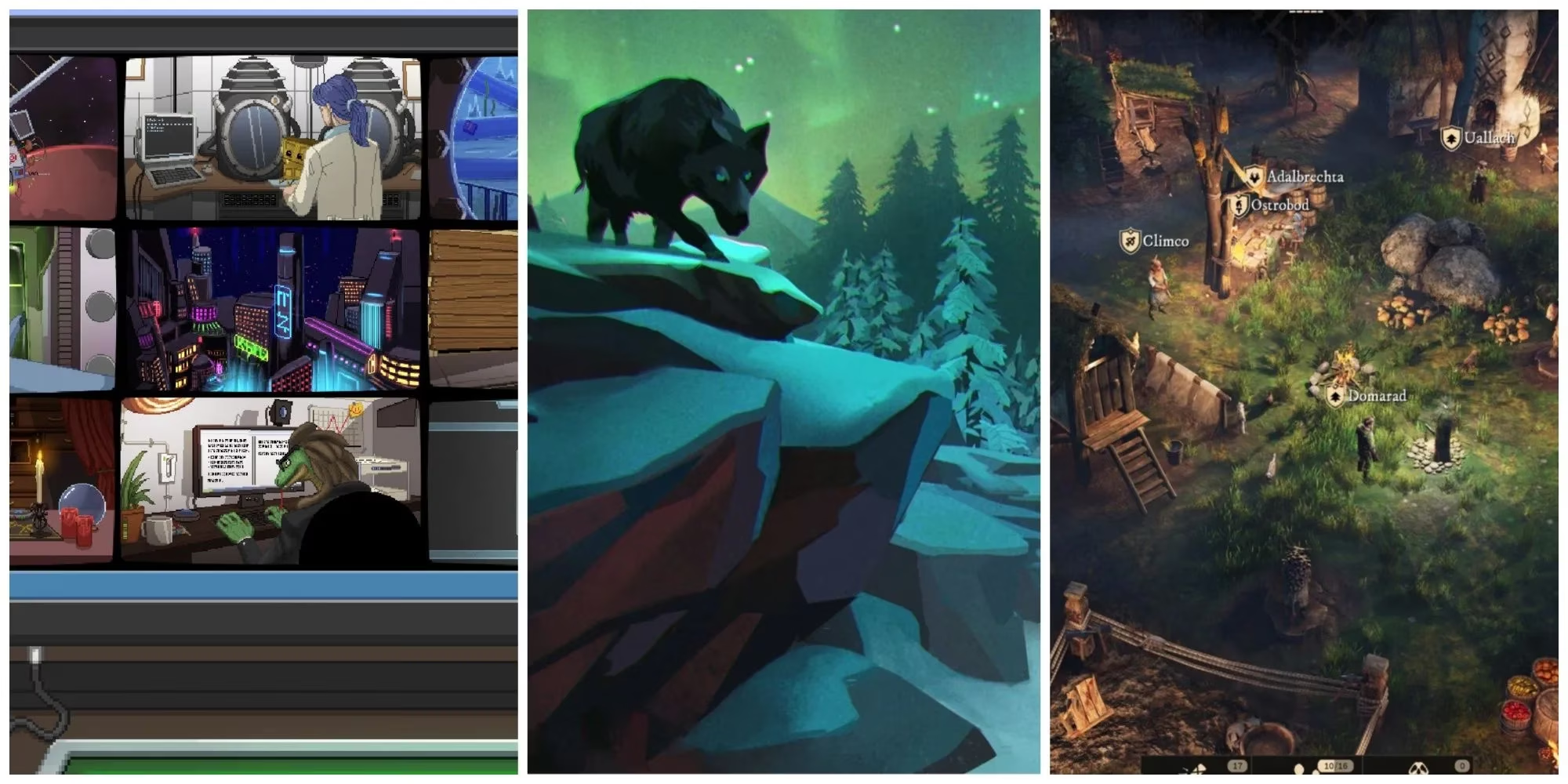
The Strategist first peers into Do Not Feed The Monkeys 2099, a simple yet chilling concept. She becomes a voyeur, watching screens called cages to uncover information about the subjects inside. Secrets hide behind every pane, and new cages unlock with progress. The real challenge is resource management: her character must eat, rest, and earn money by working off-screen. The game is just comedic enough to avoid being unbearable, but it is also just creepy enough to leave a cold finger on her neck. It is, you know, the kind of game that makes her check her own curtains.
Don't Starve: A Cute Face on a Cruel World
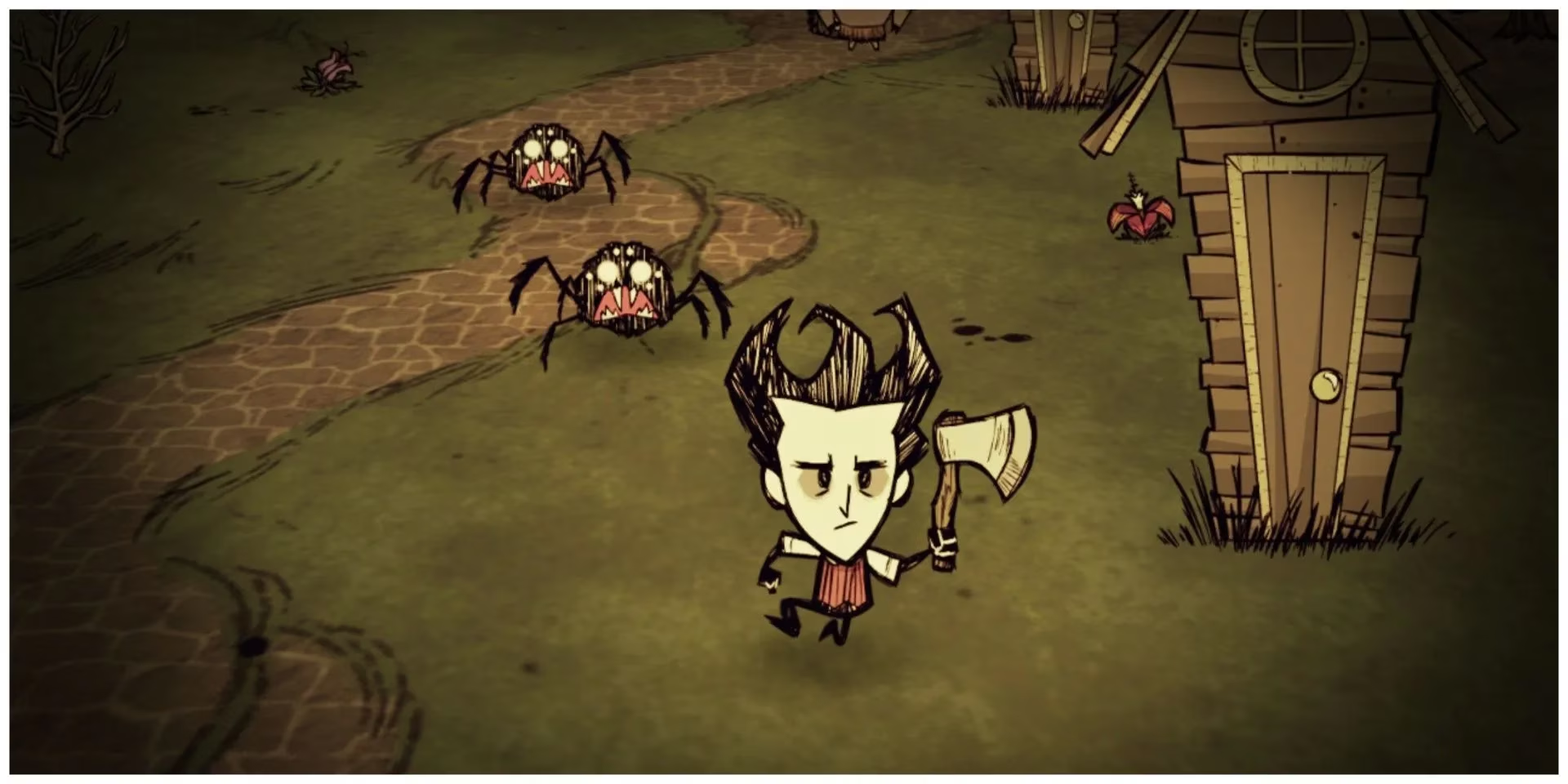
Next, she boots up Don't Starve, a classic resource management game beloved by millions. Her character steps into a wasteland where almost everything is deadly. The objective is brutally simple: do not starve, and survive as long as possible. The cutesy art style lightens the mood of what is truly a dark game. Trust me, the difficulty is real. Even experienced players die easily, and keeping the character alive is a constant negotiation with hunger, sanity, and the night itself.
They Are Billions: A Zombie Dystopia That Counts Every Mistake
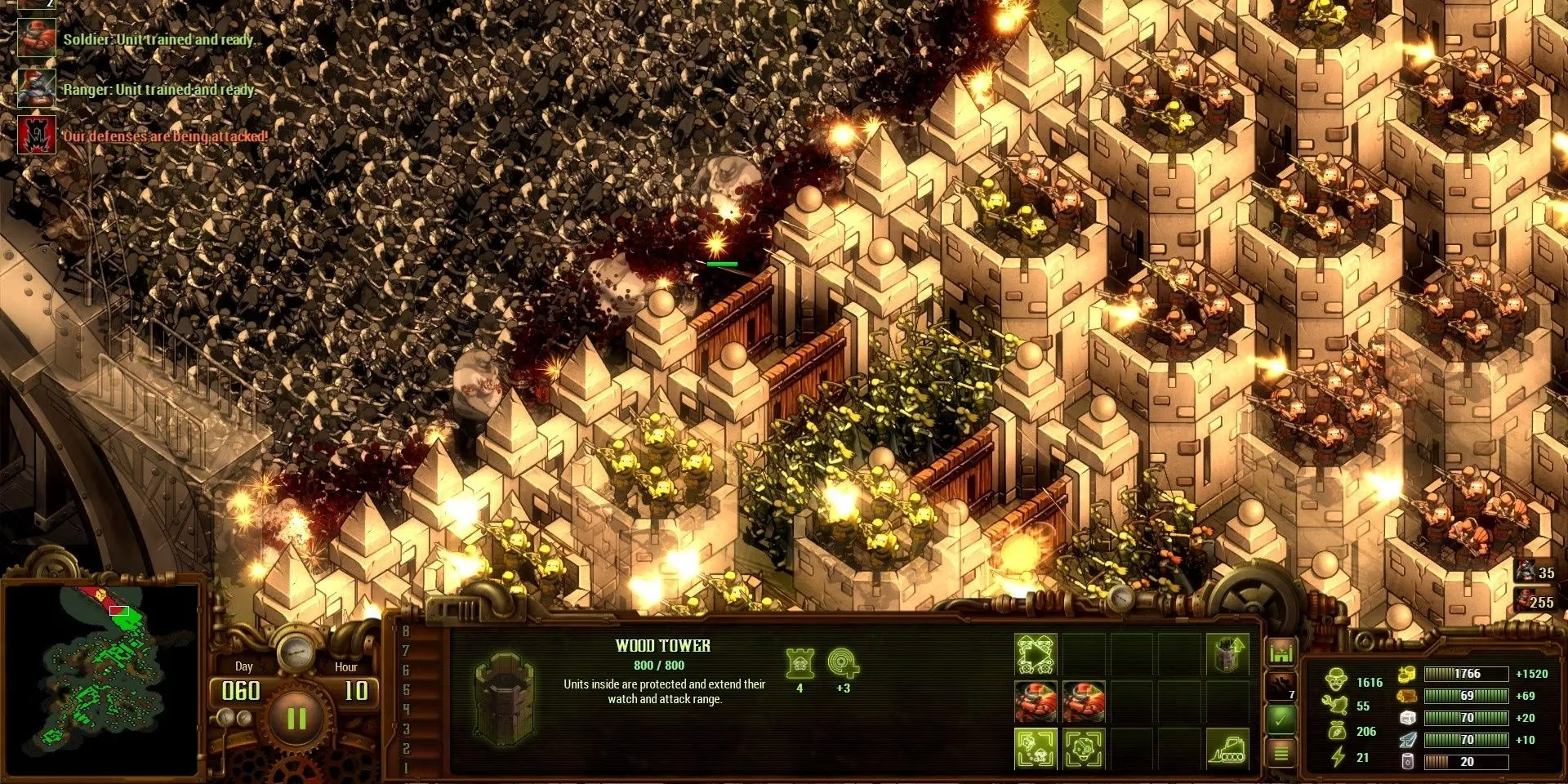
They Are Billions thrusts her into a zombie-infested dystopia. She must build a strong base and explore the map to survive. The base needs protection and expansion while she fends off the local zombie population. Infected villages offer scavenging opportunities, but the risk is considerable. With eight resources to manage and tech trees to watch, the game offers far more than the average zombie survival title. It is a fresh take on an old concept, and the darkness comes in swathes.
Homeseek: Water Is Life, and Life Is a Queue of Bad Choices
Homeseek drops her into a post-apocalyptic wasteland at the beginning of the next century. Earth has limited resources, especially water, and every choice is life or death. She builds cities and must decide whether to grow her community with struggling survivors or keep it secure and closed off. Every building placement matters. This game is brutal. Turning outsiders away feels awful, and sometimes there are no good choices at all.
Gord: The Village That Eats Its Own Sanity
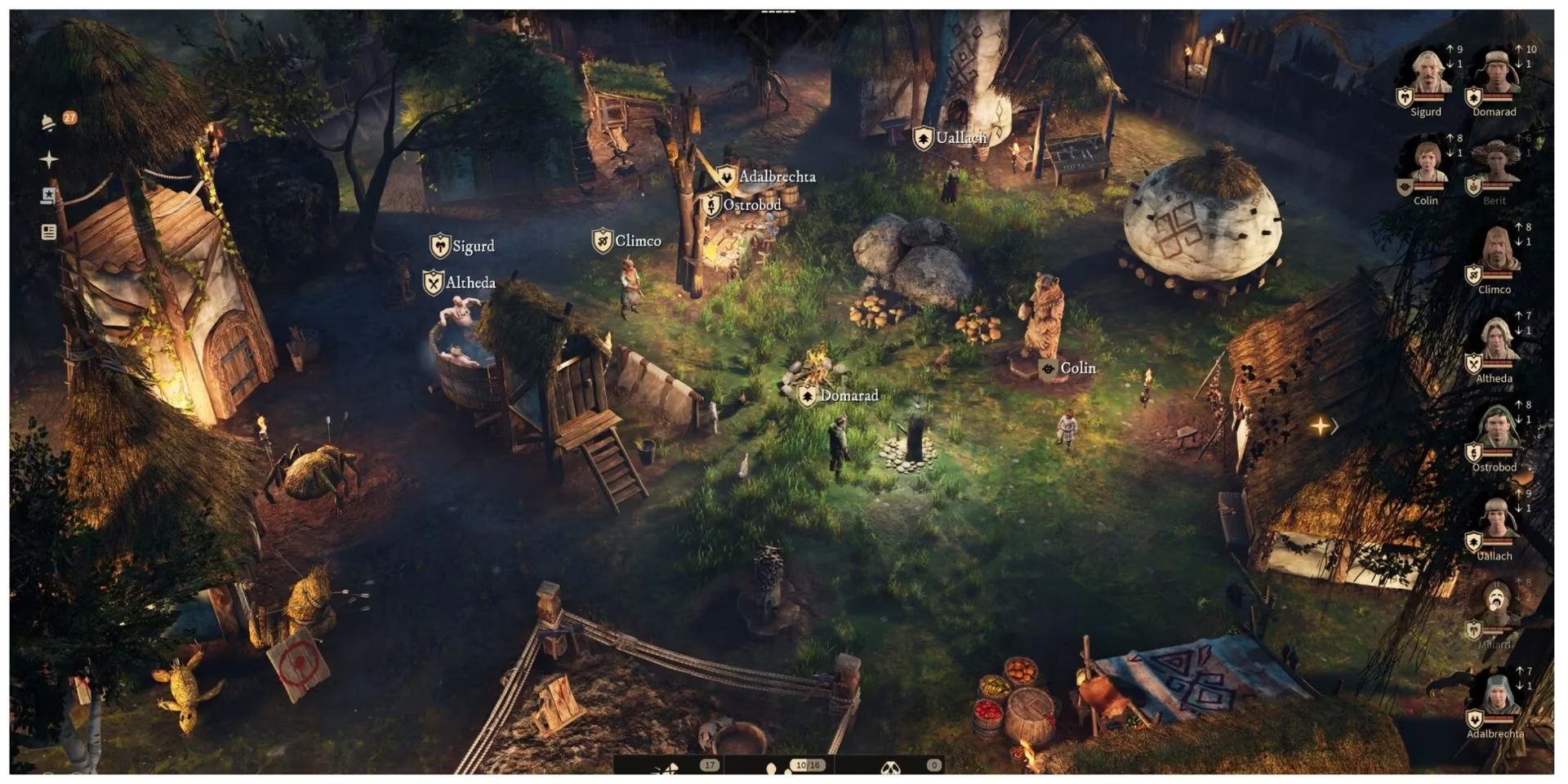
Gord is next, and it is a brilliant choice for the darkest atmosphere possible. The game looks miserable, and its concept matches. She builds a settlement near a haunted forest and manages villagers who each have three meters: sanity, health, and faith. When those meters sink too low, consequences are disastrous. Space is limited, so she must decide what to build and where. Gord relies on micromanagement and thrives through its oppressive mood. She has to give her full attention to the village, or it will devour itself.
Prison Architect: Death Row Is Just Another Room to Optimize
Prison Architect may seem unusual for a dark management list, but its campaign opens with a death row scenario. She builds private prisons and manages prisoner happiness. Riots can erupt, leading to prisoner-on-prisoner violence, and death row is always present. Building a working prison is difficult for beginners, and keeping prisoners content adds another layer. The game can become highly dark depending on how well she manages her facilities.
Oxygen Not Included: A Cute Colony with a Suffocating Secret
The cute art style of Oxygen Not Included covers up a dark concept. She meets three colonists who have ended up on an asteroid with limited breathable air. Her goal is to create and manage a space colony while addressing needs and oxygen supply. As the map expands, she can encounter vacuums that deplete oxygen in other areas, making survival harder. It is an exciting city-builder with a dark twist, and she loves managing her space colonies even as they teeter on collapse.
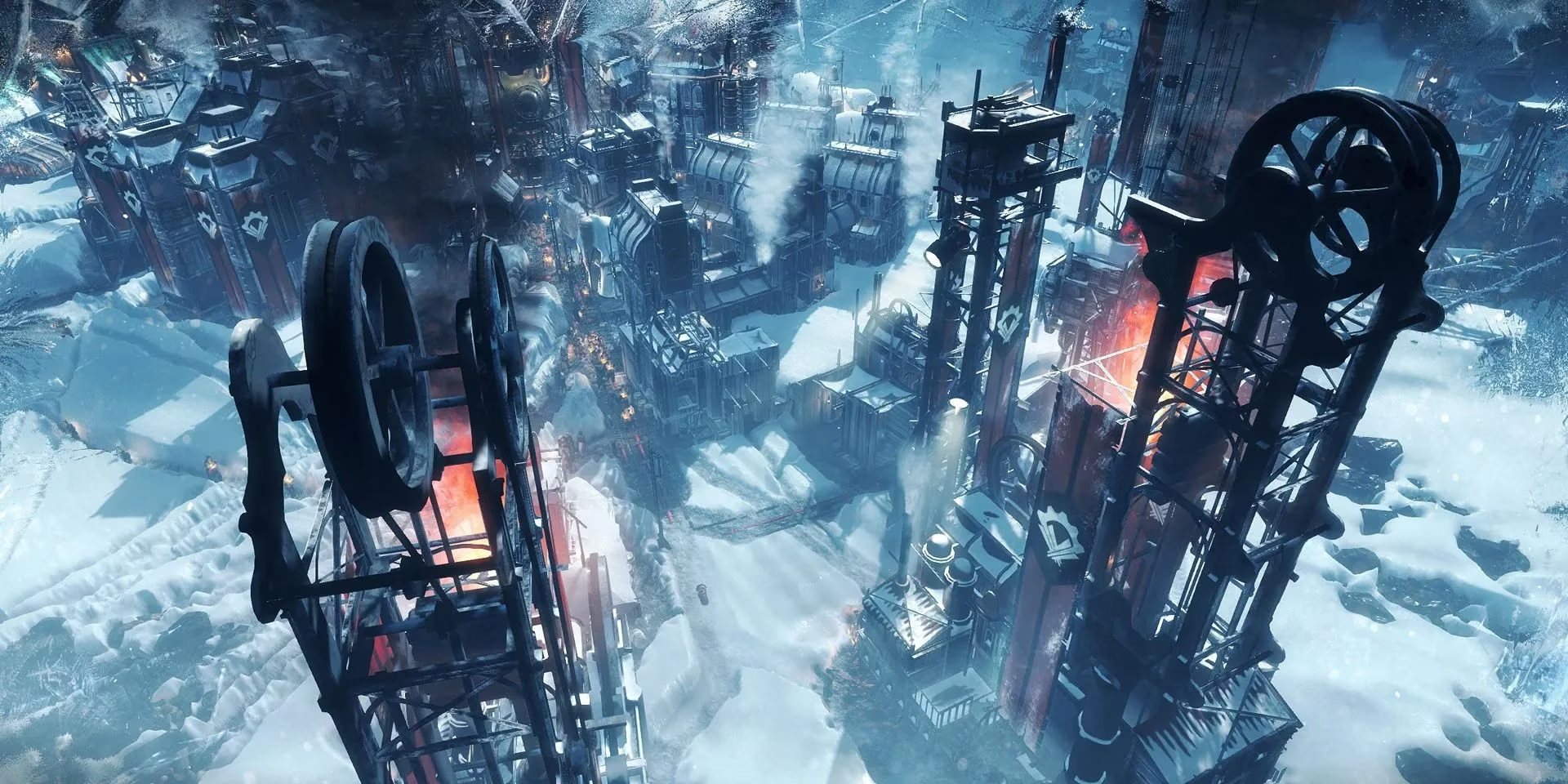
Frostpunk: The City That Asks for Child Labor and Calls It Survival
Frostpunk, as the title suggests, is set in a frozen world. She becomes a leader in an alternate 19th century and must build and manage a community during a global volcanic winter. Medical facilities stop working if they are not kept warm enough. The game forces harsh choices, including child labor to keep the community going. Frostpunk is beautiful and makes her a dictator of her own mini-city. The necessary choices can be unethical, which is precisely what makes it so dark.
The Long Dark: No City, No Community, Only the Cold
The Long Dark is not a traditional management game. There is no city building and no community to manage. Instead, she becomes a bush pilot who has crash-landed into the Canadian wilderness and finds herself in solitude. She must survive frigid temperatures while controlling caloric intake and protecting against wind chill, hunger, thirst, wildlife, and more. There are three game modes, with survival mode showing how long she can last. Exposure is a killer here, and survival is a struggle.
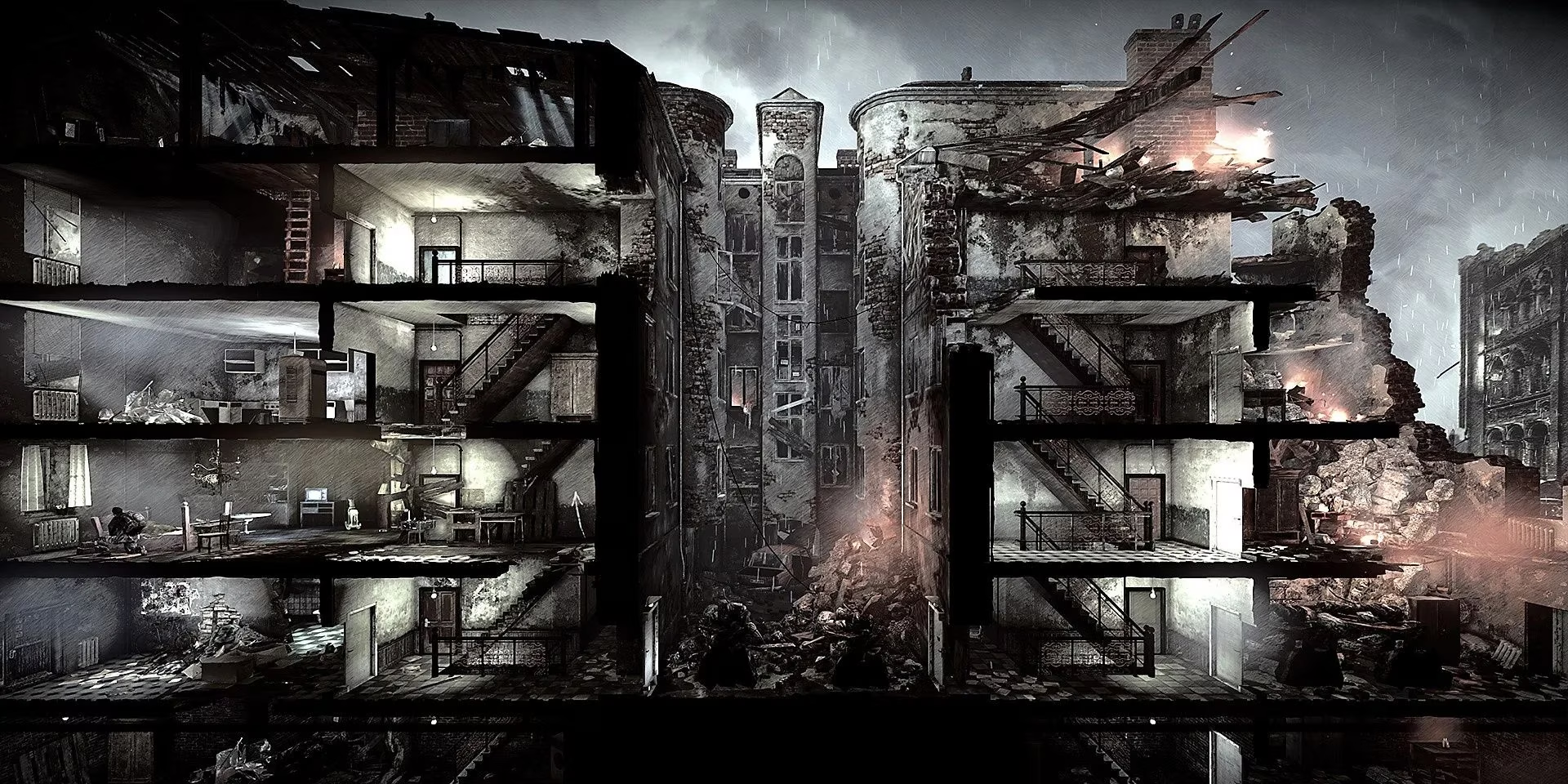
This War Of Mine: The Best Dark Management Game of Them All
Finally, This War Of Mine is the best dark management game on offer for her. Finding resources in a war-stricken world is challenging. She must balance food, warmth, and rest after depressing days. At night, while scavenging abandoned buildings, her base is vulnerable to bandits. She can leave safely and return to find team members dead. This War Of Mine is a brutal management game against a harsh war, focusing on average civilians who lose the most. It is challenging to learn and easily tugs at the heartstrings.
Quick Comparison: The Dark Management Hall of Shame
| Game | Dark Hook | Management Focus |
|---|---|---|
| Do Not Feed The Monkeys 2099 | Voyeurism and surveillance | Resources, time, money |
| Don't Starve | Deadly wilderness | Survival, hunger, sanity |
| They Are Billions | Zombie apocalypse | Base building, defense, tech |
| Homeseek | Water scarcity | City building, moral choices |
| Gord | Haunted forest | Villager sanity, health, faith |
| Prison Architect | Death row and riots | Prison layout, prisoner mood |
| Oxygen Not Included | Oxygen depletion | Colony building, life support |
| Frostpunk | Volcanic winter | Heat, labor, survival laws |
| The Long Dark | Solitary wilderness | Temperature, calories, exposure |
| This War Of Mine | Civilian war survival | Shelter, scavenging, morale |
Why These Shadows Still Matter in 2026
In 2026, cozy management games are everywhere, but the dark ones endure because they ask more than whether a player can win. They ask what a player is willing to become. The Strategist closes her laptop after another failed colony, another dead prisoner, another child sent to the coal mines. She does not feel like a hero. She feels like a manager. And that, no joke, is the point. These games do not just simulate systems; they simulate the weight of every choice. For players seeking a darker tone, the list above remains a superb place to start.
Research highlighted by ESRB helps frame why dark management games land so heavily: ratings descriptors often emphasize violence, intense themes, and morally fraught scenarios, all of which align with titles like Frostpunk, This War of Mine, and Prison Architect where player choice is tied directly to suffering, survival, and psychological pressure rather than simple efficiency.
Comments