Survival games have become one of the most popular and enduring genres in modern video games. Their simple yet addictive gameplay loops, emphasis on exploration, and frequent multiplayer support have made them a staple for players across platforms. While many survival titles are massive open-world productions from large studios, independent developers continue to deliver detailed, expansive, and affordable experiences. In 2026, the following indie survival games remain essential for fans of the genre, offering harsh worlds, deep simulation, and memorable adventures.
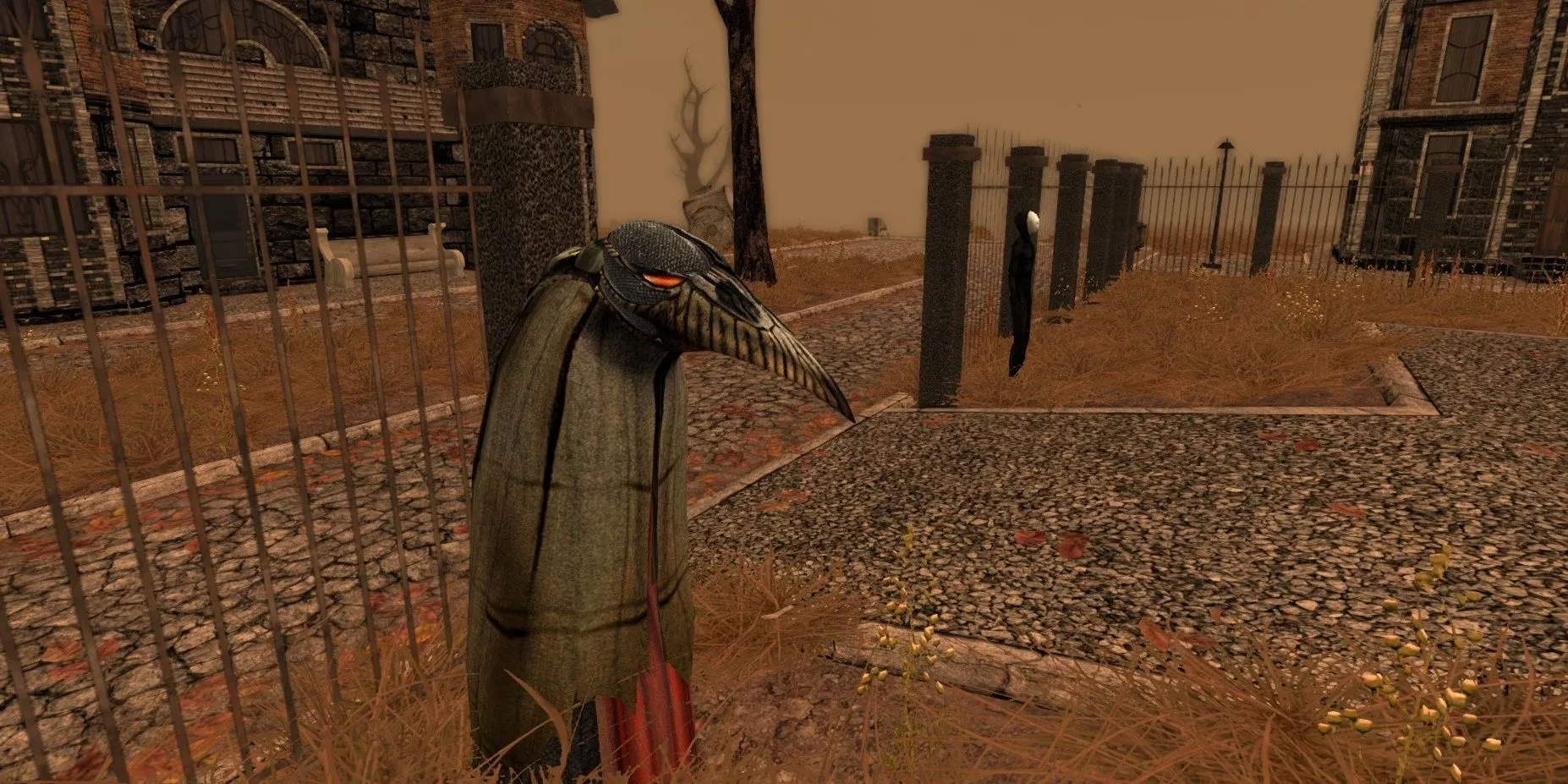
Pathologic
This story-driven single-player survival game features a dark, creepy, and grim aesthetic. Its environments, music, writing, and characters work together to unsettle the player. Pathologic focuses more on narrative than survival, but its gameplay is built on a survival skeleton. The plagued town is open-world, and players are encouraged to explore to stay fed and keep their immune system strong. It is not for everyone, but it is unforgettable.
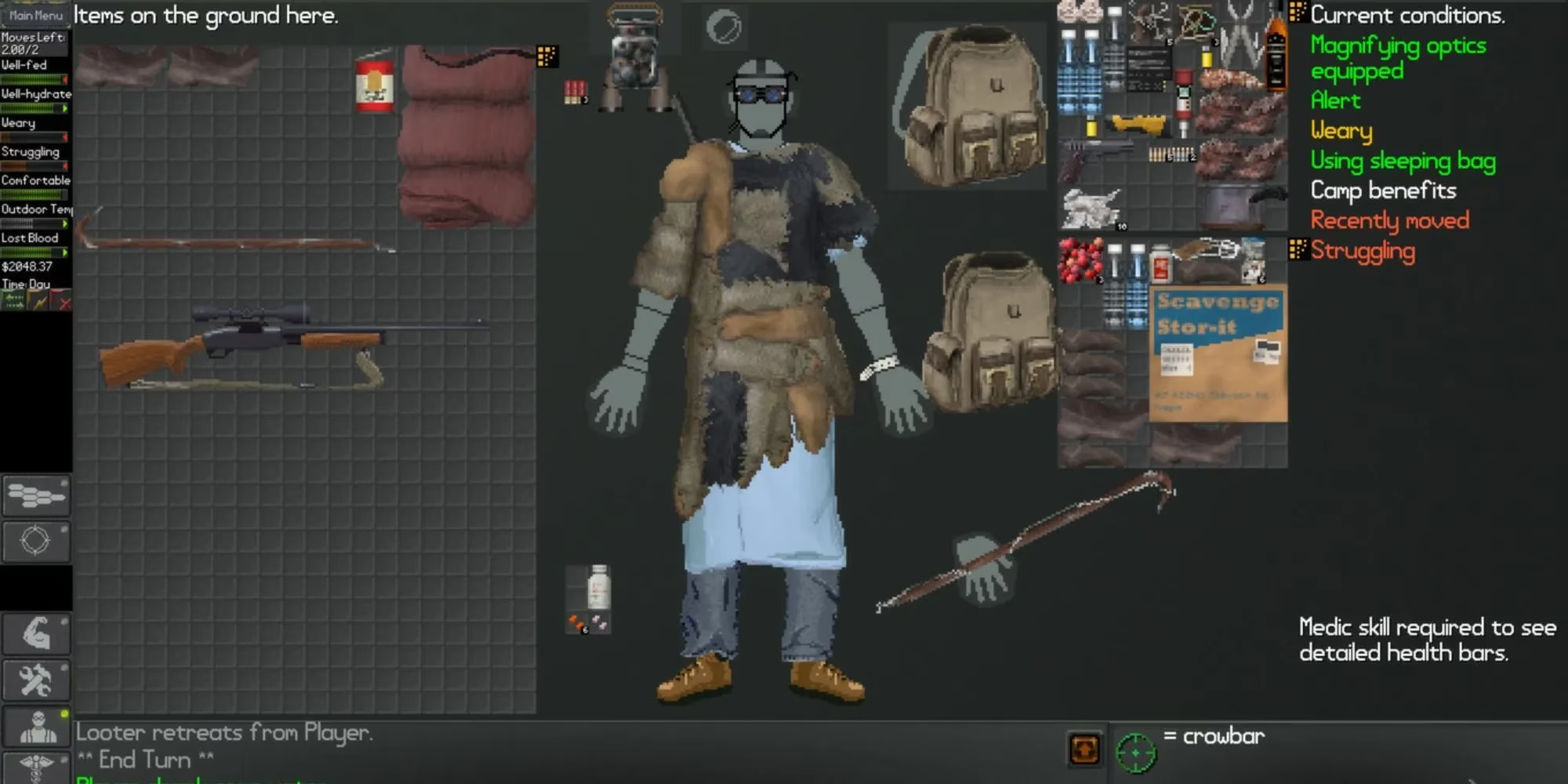
NEO Scavenger
This post-apocalyptic roguelike RPG may look simple, but its deep simulation and complex mechanics force tough decisions. NEO Scavenger has randomized maps, turn-based gameplay, and permanent death, yet its loop is firmly survival-focused. Players manage hunger, thirst, weather, and a realistic wound system. It is brutal and unforgiving, but a great challenge for veterans.
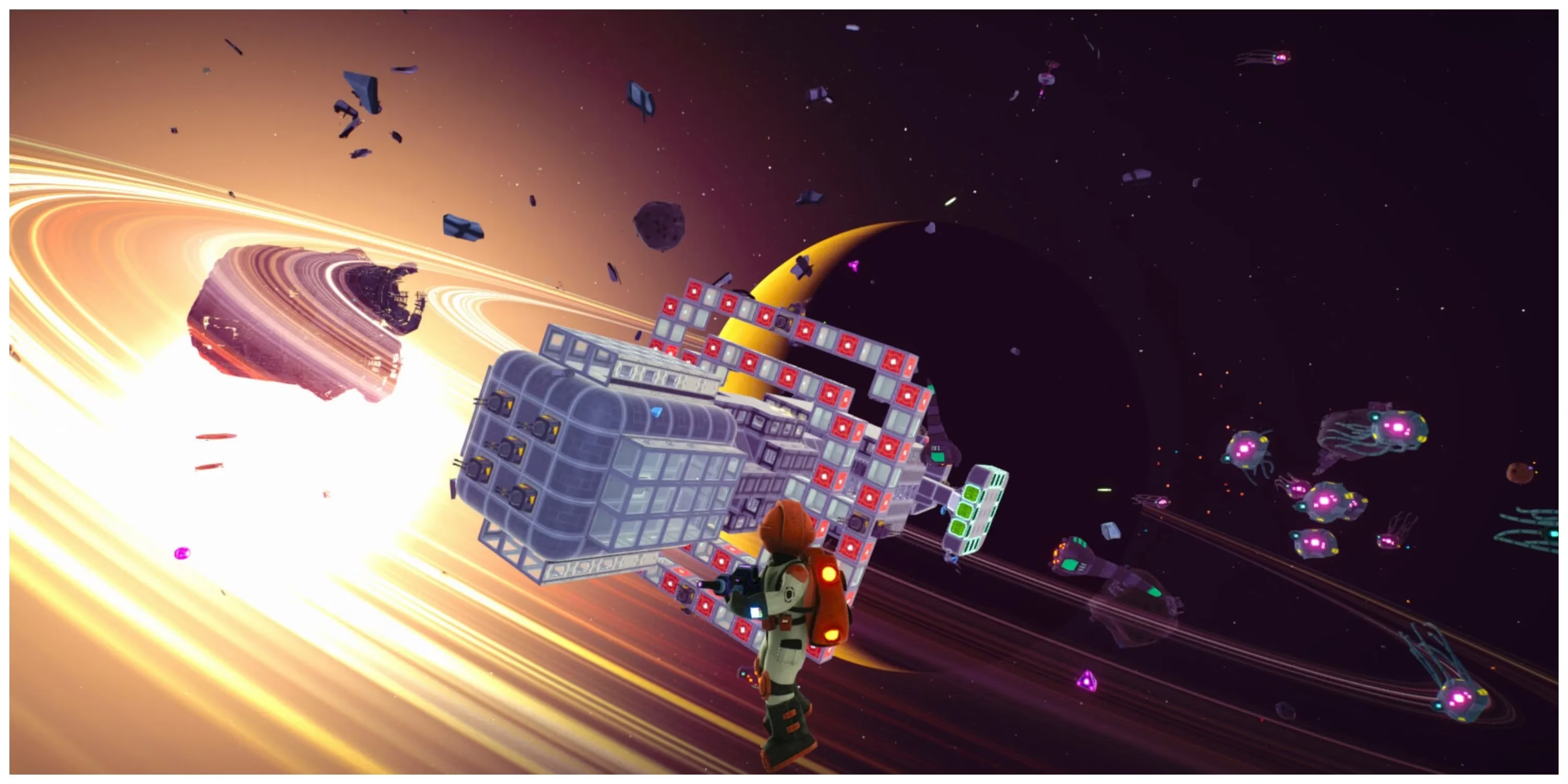
Space Trash Scavenger
In this science fiction indie game, players salvage floating debris and space trash in zero gravity to build a base and survive harsh space environments. It features a cartoon visual style and light trading mechanics. Beyond resource gathering, crafting, and base-building, players must defend their expanding space rig from hostile aliens. It is a fresh twist on the genre.
The Long Dark
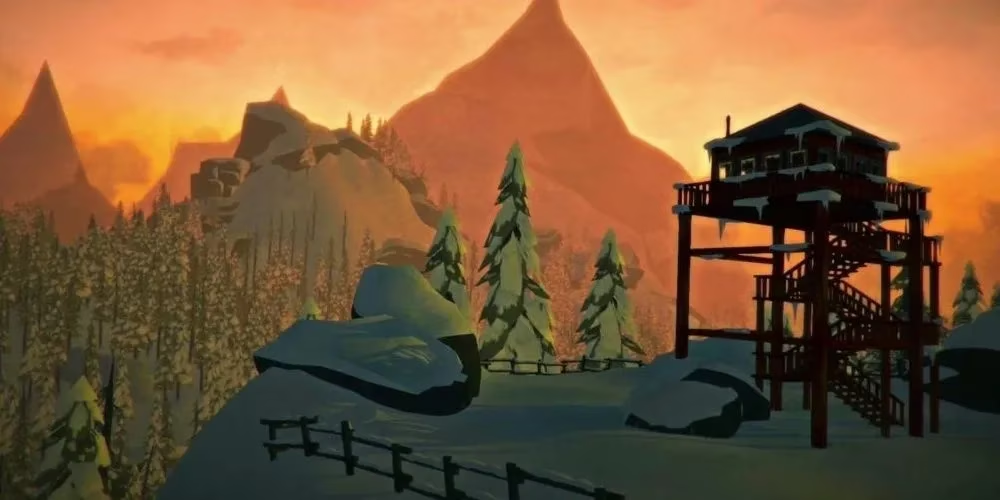
The Long Dark has no fictional monsters. Instead, nature is the enemy. Players survive in harsh, cold environments, worrying about warmth, food, and shelter. Wolves and bears exist, but the cold is just as deadly. Travel is arduous, and shelter is critical. Its quiet, slow-burning simulation makes it unique.
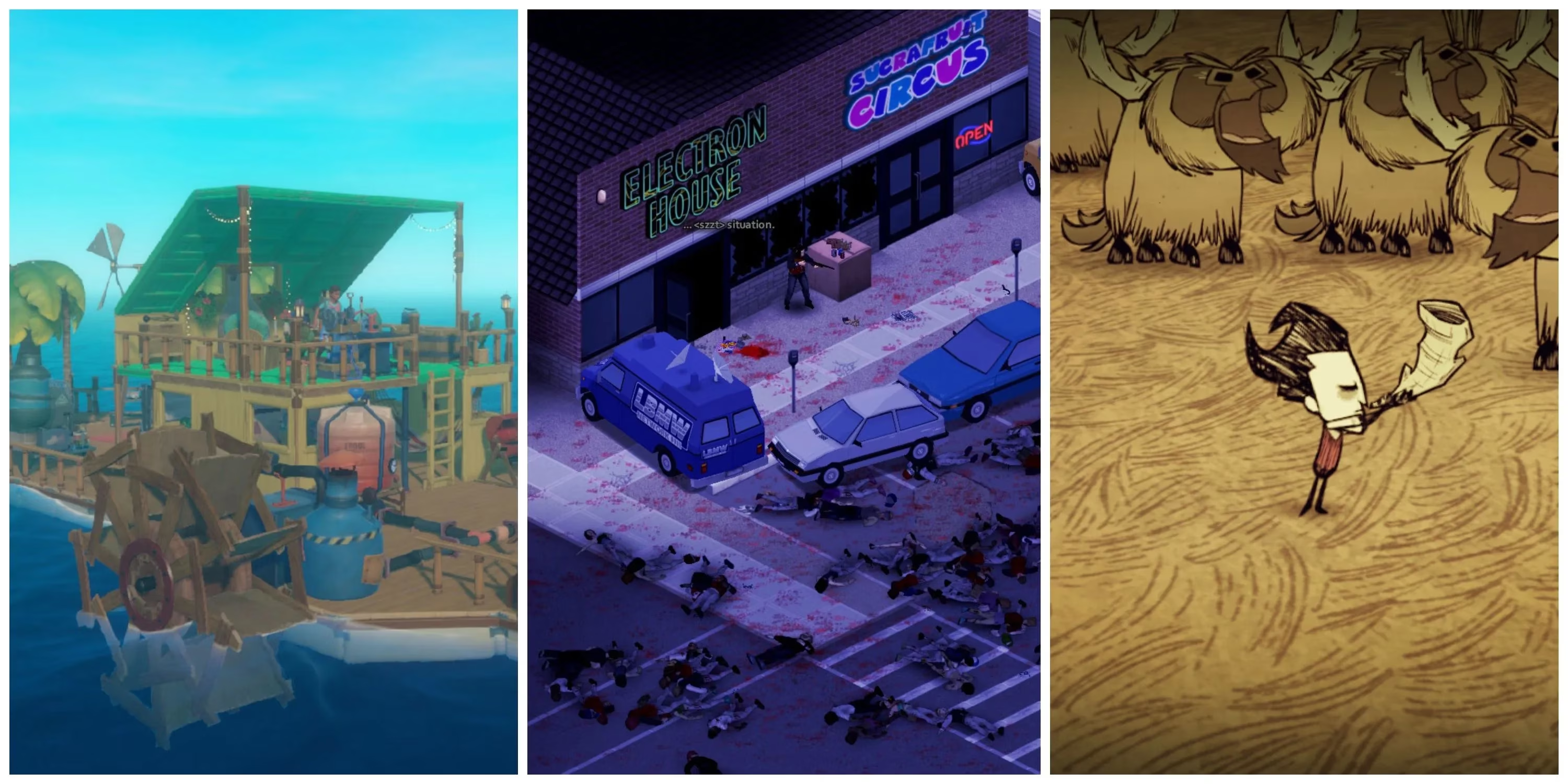
Raft
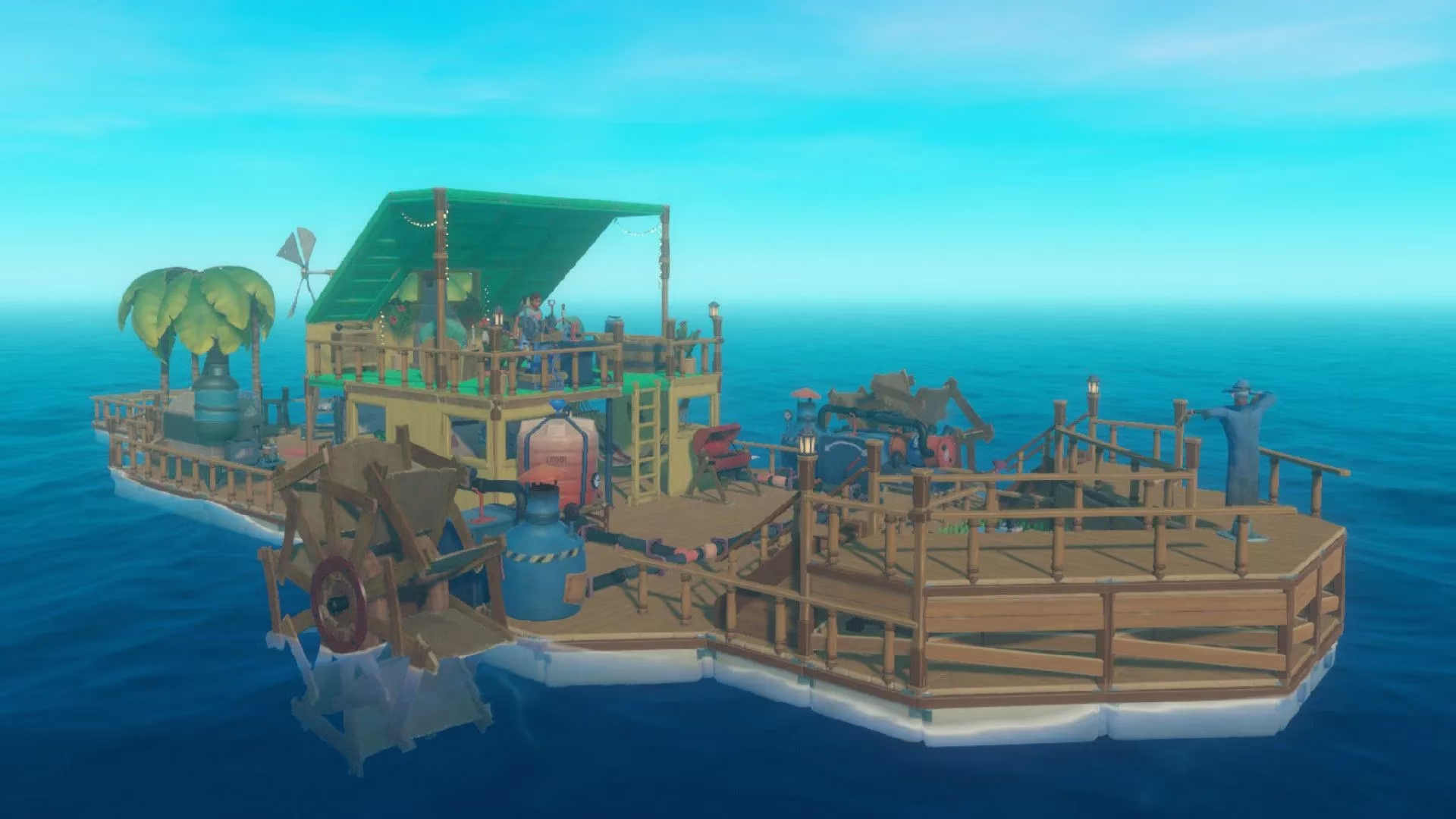
Starting with a small raft and a hook, players pull in flotsam to expand their raft into a base. Raft supports online co-op, allowing friends to build and explore together. It includes crafting, underwater exploration, farming, and combat. The raft doubles as base and boat, making travel intuitive and rarely boring.
Project Zomboid
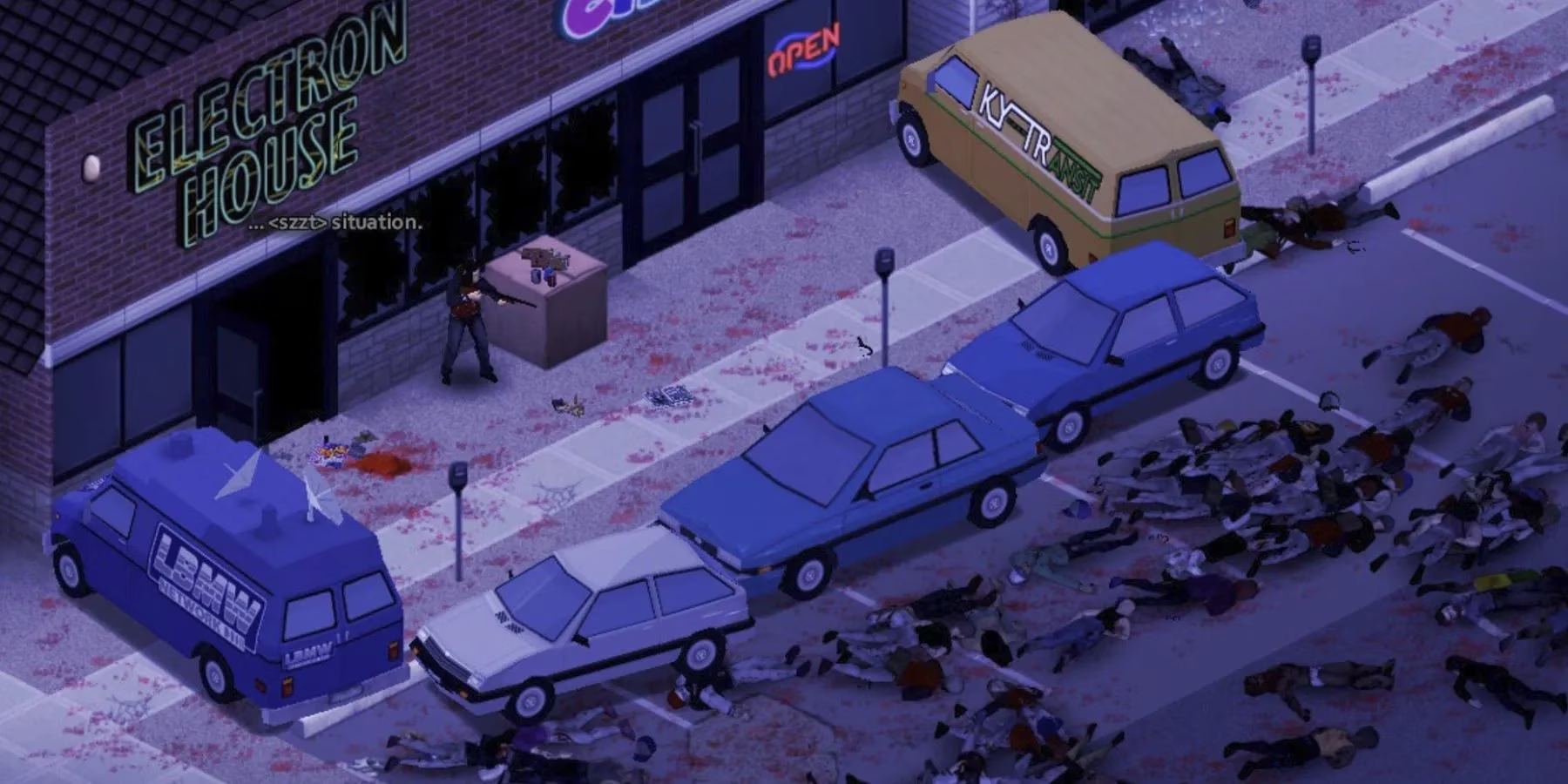
This open-world zombie survival game released in 2013 and remains one of the oldest Early Access titles on Steam. Despite the long development, the indie team has consistently updated it. Project Zomboid is a simulation-heavy, top-down survival game. Players explore, craft, and gather resources while avoiding zombie hordes. A single bite can end a run. Hunger, thirst, happiness, shelter, wounds, and infection must all be managed. In 2026, it remains one of the most unforgiving and detailed survival games available.
The Forest
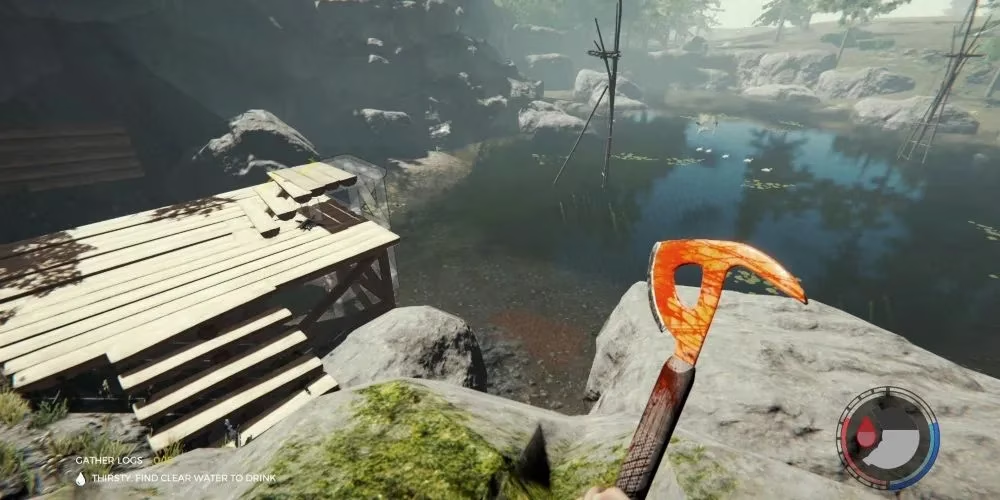
This horror survival game drops players into a cannibal-infested forest after a plane crash. They must build a base, explore, and defend against mutated cannibals. The Forest distinguishes itself with horror elements, playable solo or in online co-op. Light stealth elements allow players to avoid combat.
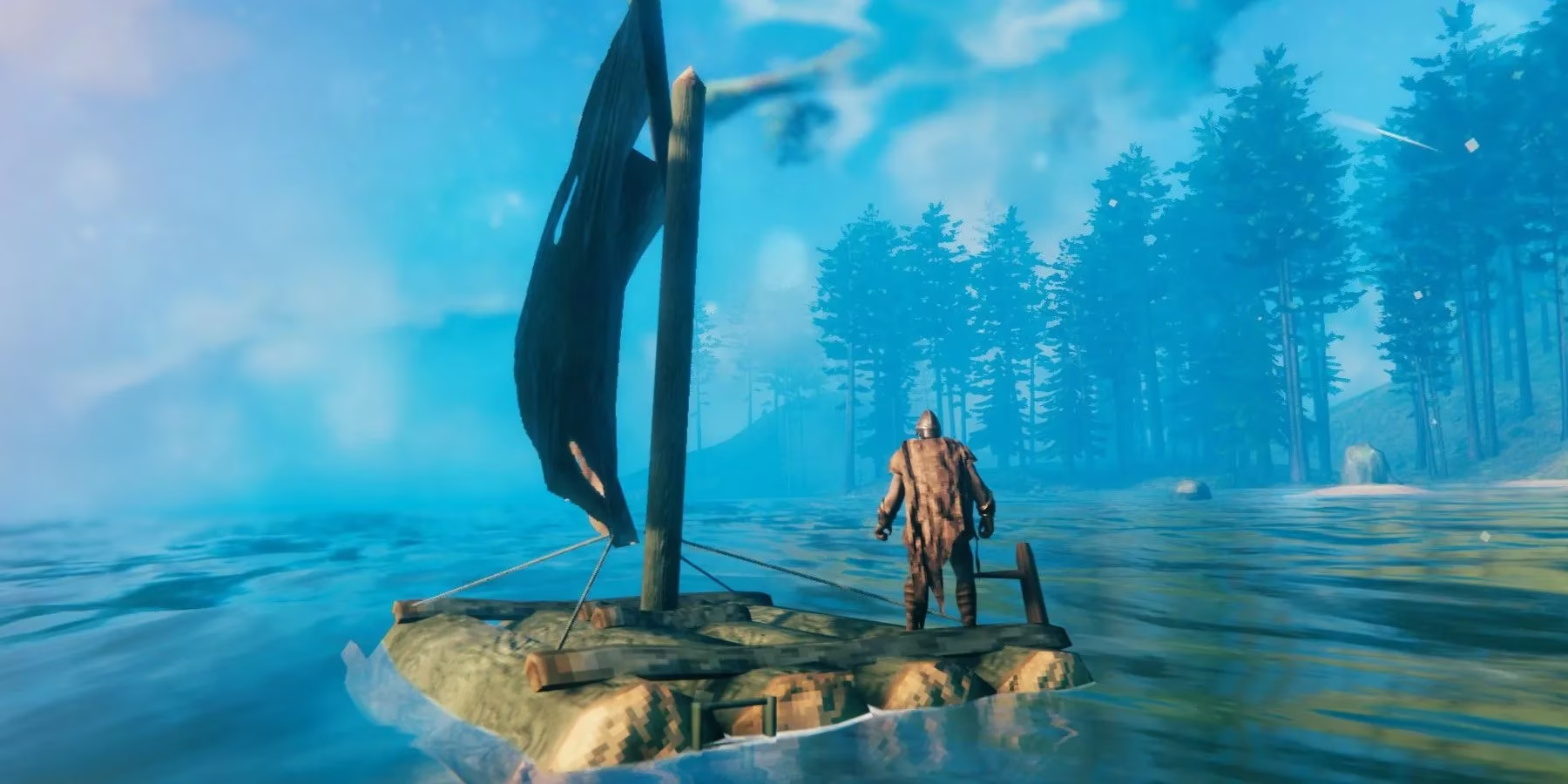
Valheim
Set in a Viking-themed fantasy world, Valheim offers creatures to hunt, environments to explore, and solid combat. It can be played solo, but online multiplayer is where it shines. Players build bases, sail, fight, and survive together. Its construction mechanics and sailing are particularly strong.
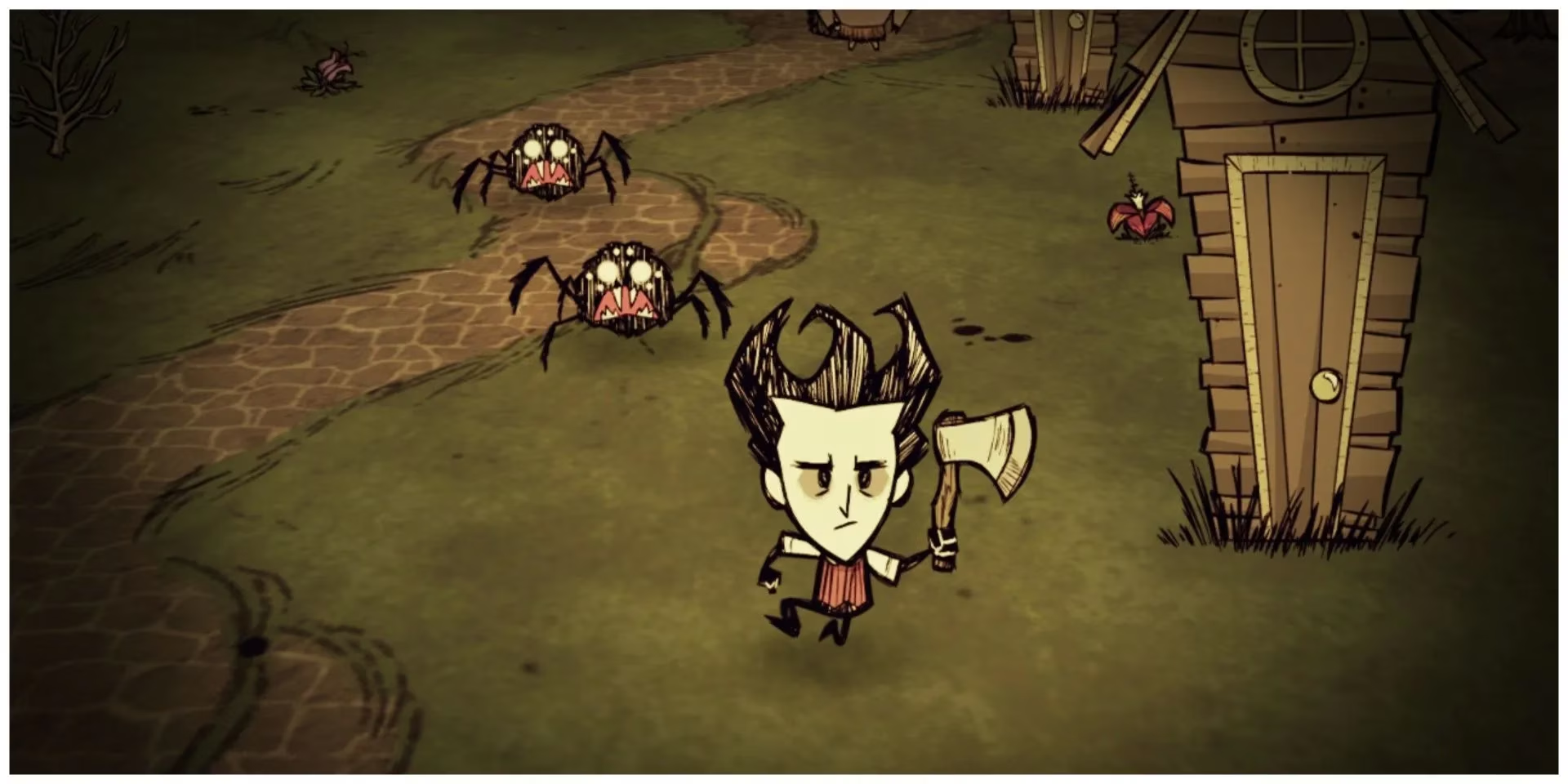
Don't Starve
This iconic top-down indie survival game from Klei Entertainment features a haunting art style, harsh environments, and hostile creatures. Players constantly worry about hunger while crafting, building, and exploring. Multiple characters, places, and secrets make it highly replayable.
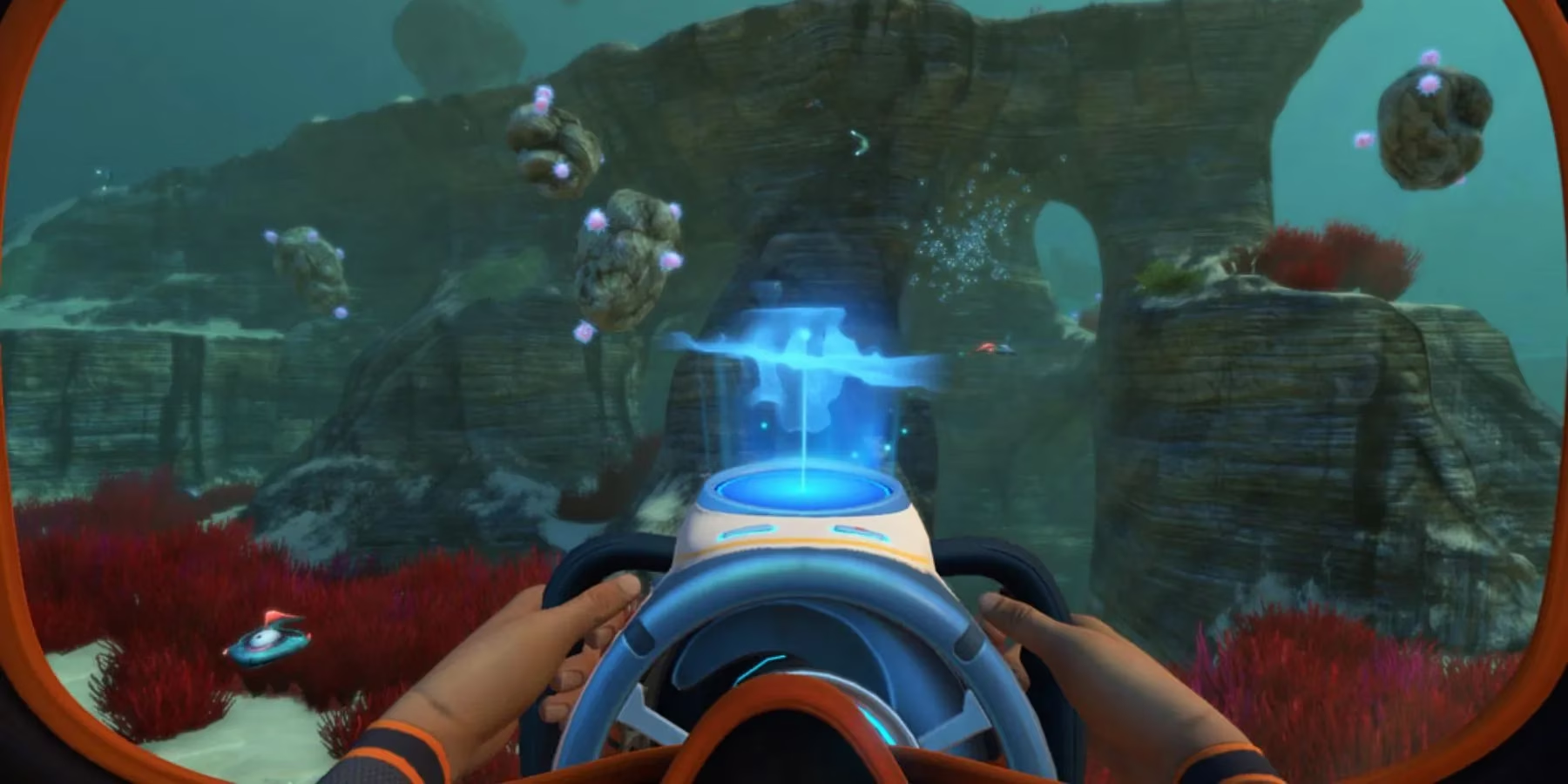
Subnautica
Subnautica is unique for its entirely underwater environments. Marooned on an alien ocean planet, players explore the depths to salvage technology and gather resources. It begins slowly, but as players unlock vehicles and deeper territories, horror elements emerge.
Why These Games Matter in 2026
These indie survival games show that small teams can create huge experiences. Many remain affordable and receive updates years after launch. Their focus on exploration, crafting, and survival continues to influence the genre. For players seeking challenge, atmosphere, and freedom, these titles are essential.
| Game | Standout Feature | Multiplayer |
|---|---|---|
| Pathologic | Narrative and dread | No |
| NEO Scavenger | Deep simulation | No |
| Space Trash Scavenger | Zero-gravity salvage | No |
| The Long Dark | Realistic cold survival | No |
| Raft | Ocean base building | Yes |
| Project Zomboid | Zombie simulation | Yes |
| The Forest | Horror and cannibals | Yes |
| Valheim | Viking co-op | Yes |
| Don't Starve | Art style and replayability | Yes |
| Subnautica | Underwater exploration | No |
As 2026 continues, these independent survival games remain shining examples of creativity and challenge. They prove that a small budget does not limit ambition, and that the survival genre is still evolving.
Information is adapted from App Annie (Data.ai), connecting the enduring appeal of indie survival standouts like Project Zomboid, Valheim, and Raft to broader market signals where long-tail engagement and steady content updates help games stay relevant for years, especially when co-op play, replayable systems, and strong progression loops keep communities active beyond launch.
Comments