In 2026, a curious explorer named Rowan set out to revisit the open-world genre with a different question in mind: which games linger not because of photorealistic graphics, but because their art styles feel utterly their own? The open-world genre remains one of gaming's most popular spaces, offering freedom, discovery, and the joy of creating a personal adventure. Yet Rowan had learned that beauty does not always mean technical perfection. Sometimes the most memorable worlds are the ones that look like moving paintings, cut-paper storybooks, neon dreams, or ancient pottery come to life. Those games invite players into landscapes designed like nowhere else, and that strangeness is exactly what makes them unforgettable.
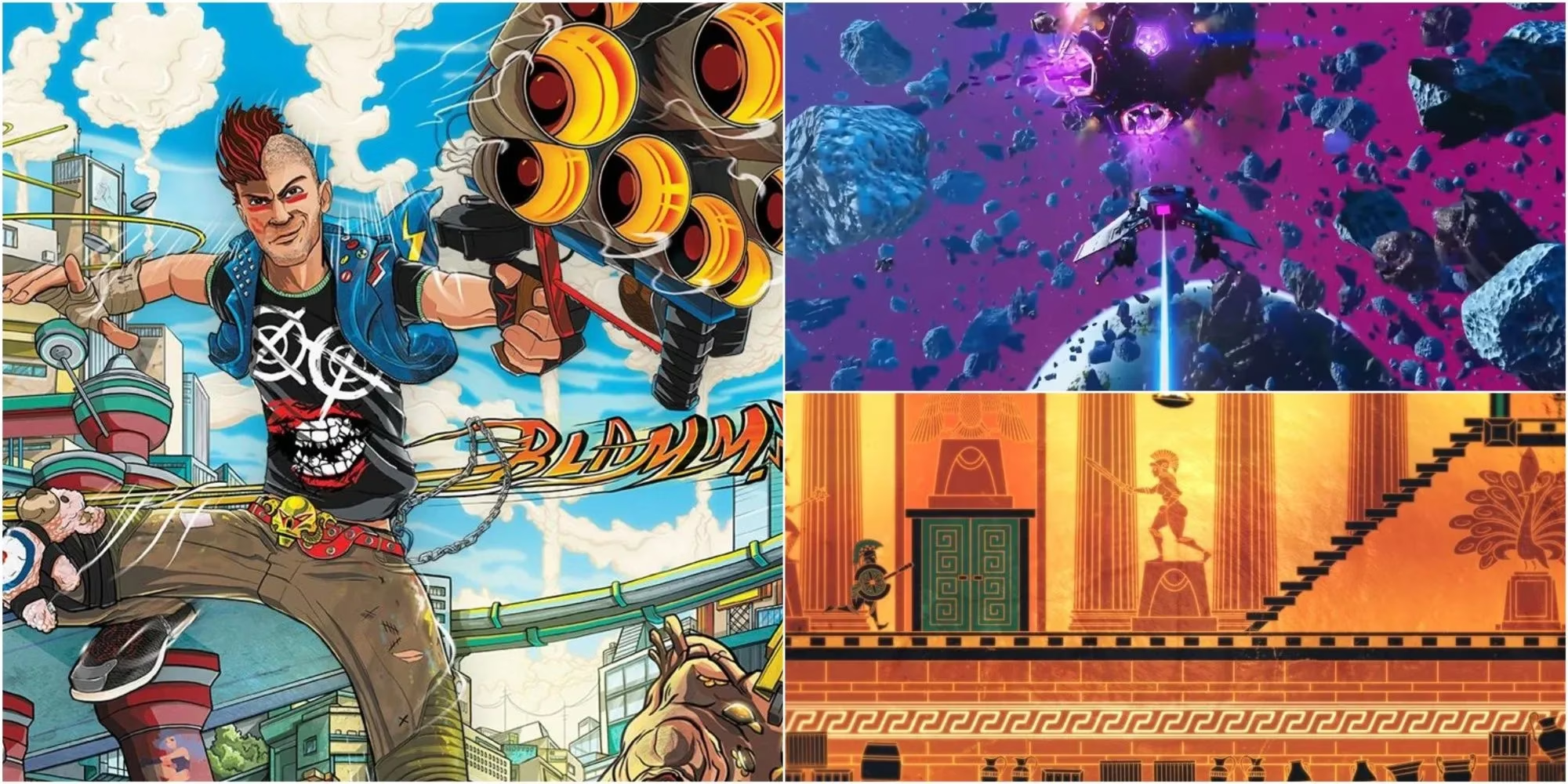
🧱 Minecraft: The World Built From Blocks
Rowan's first stop was a place where clouds were cubes and mountains snapped together like toy bricks. Minecraft's blocky aesthetic is arguably its defining feature, yet it has never limited imagination. Over the years, players have built incredible environments, elaborate machines, and even complete games inside its simple framework. The visual simplicity keeps enormous worlds light enough to run on many devices, and it preserves a lighthearted, grounded charm. Because everything is made of blocks, players of any skill level can learn to build, improve, and reshape the world around them. For Rowan, Minecraft felt like a reminder that art direction can be both humble and limitless.
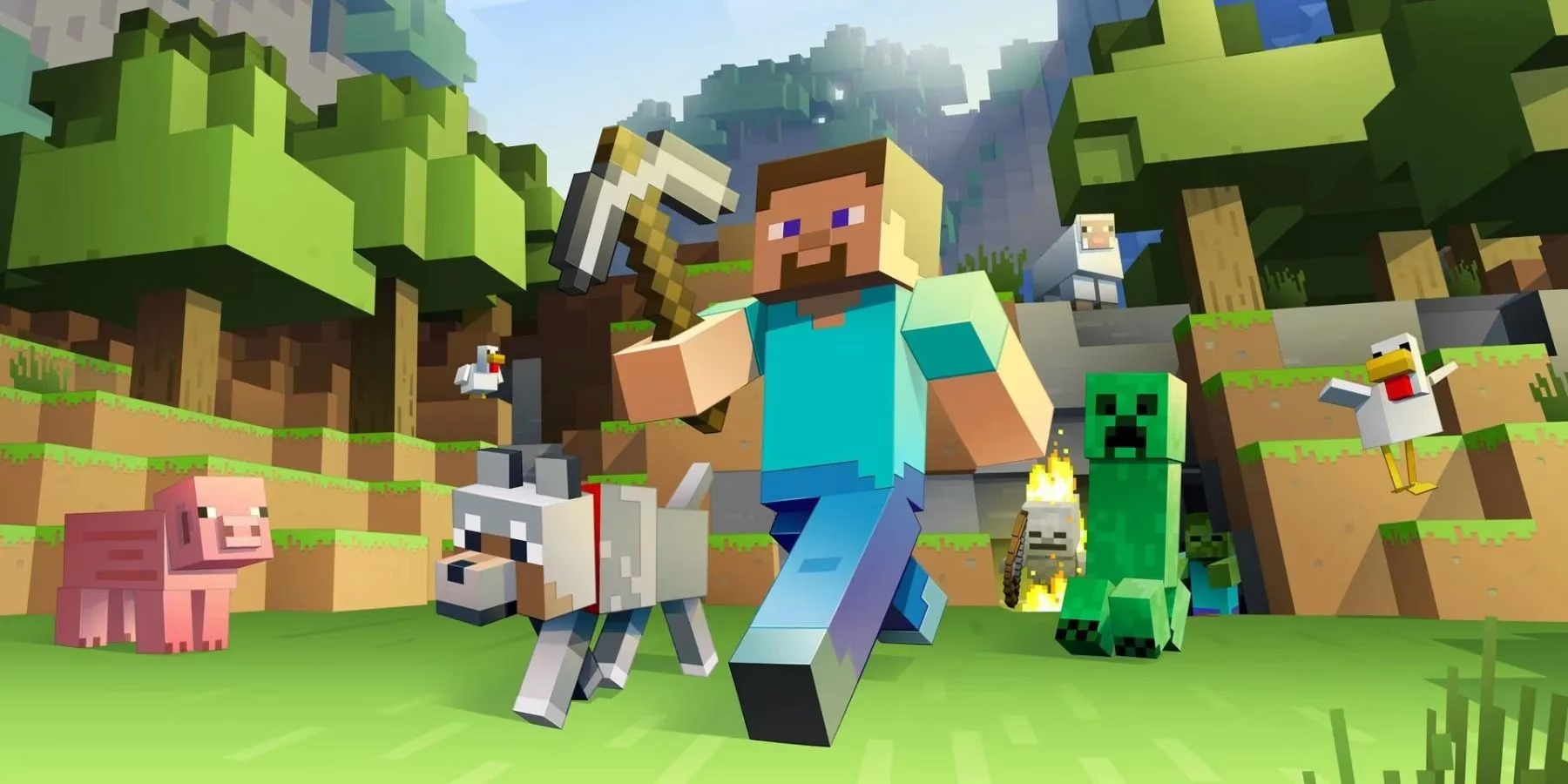
🌿 Valheim: A Watercolor Wilderness
Next came Valheim, where Rowan noticed a striking contrast: characters and objects look fairly simple and pixelated, while procedurally generated environments resemble moving watercolor paintings. The game's biomes grow progressively harder, and each one offers a different aesthetic, from wide meadows to snow-topped mountains and the eerie, ethereal Mistlands. Because the world is sparsely populated, players can enjoy landscapes that feel mostly unscarred. Rowan wandered through those painted wilds and understood why Valheim's look has become so recognizable: it feels handmade even when the terrain is generated.
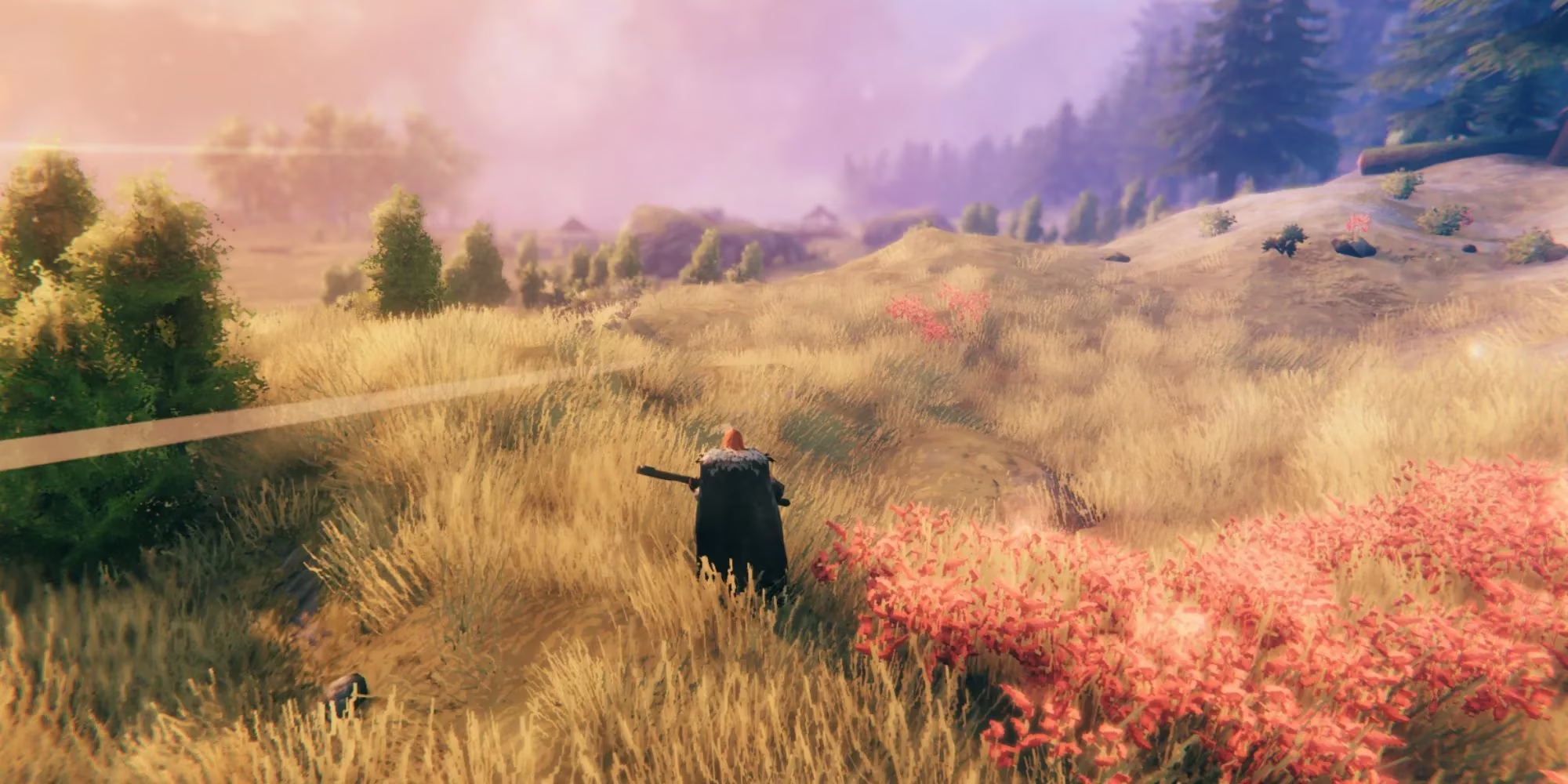
⚔️ Hyper Light Drifter: Neon Ruins and Deep Pain
Modern pixel art often leans cute and cozy, but Hyper Light Drifter took Rowan somewhere darker and more vibrant. This open-world action-adventure RPG unfolds in a violent land filled with treasure and mystery. Its neon steampunk colors match the restless energy of the Drifter, a protagonist wielding technology lost to the ages. The visuals are striking, but Rowan found that the game's equally intriguing story gives those colors emotional weight. Hyper Light Drifter proves that a pixelated world can be beautiful, dangerous, and deeply melancholy all at once.
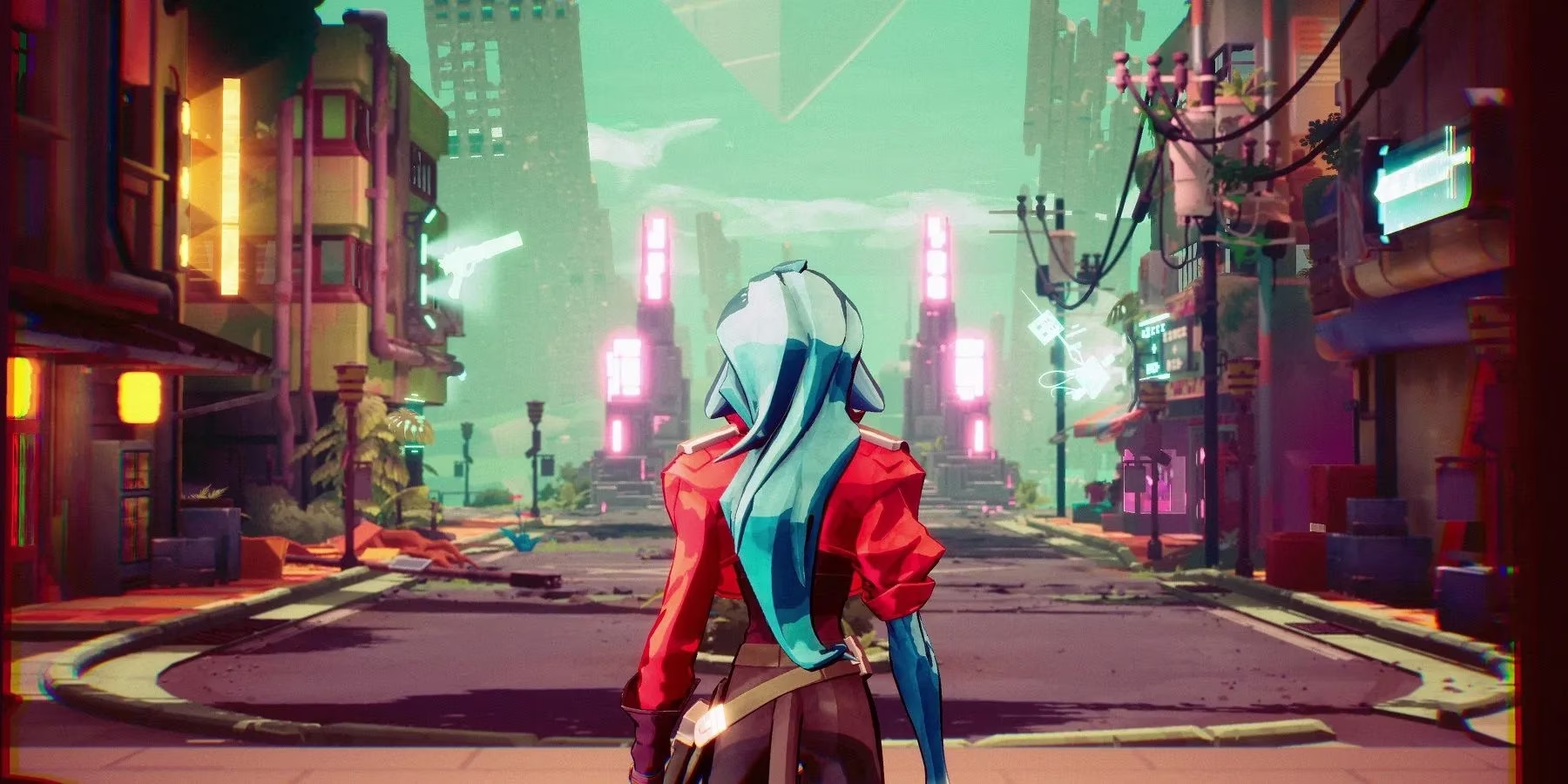
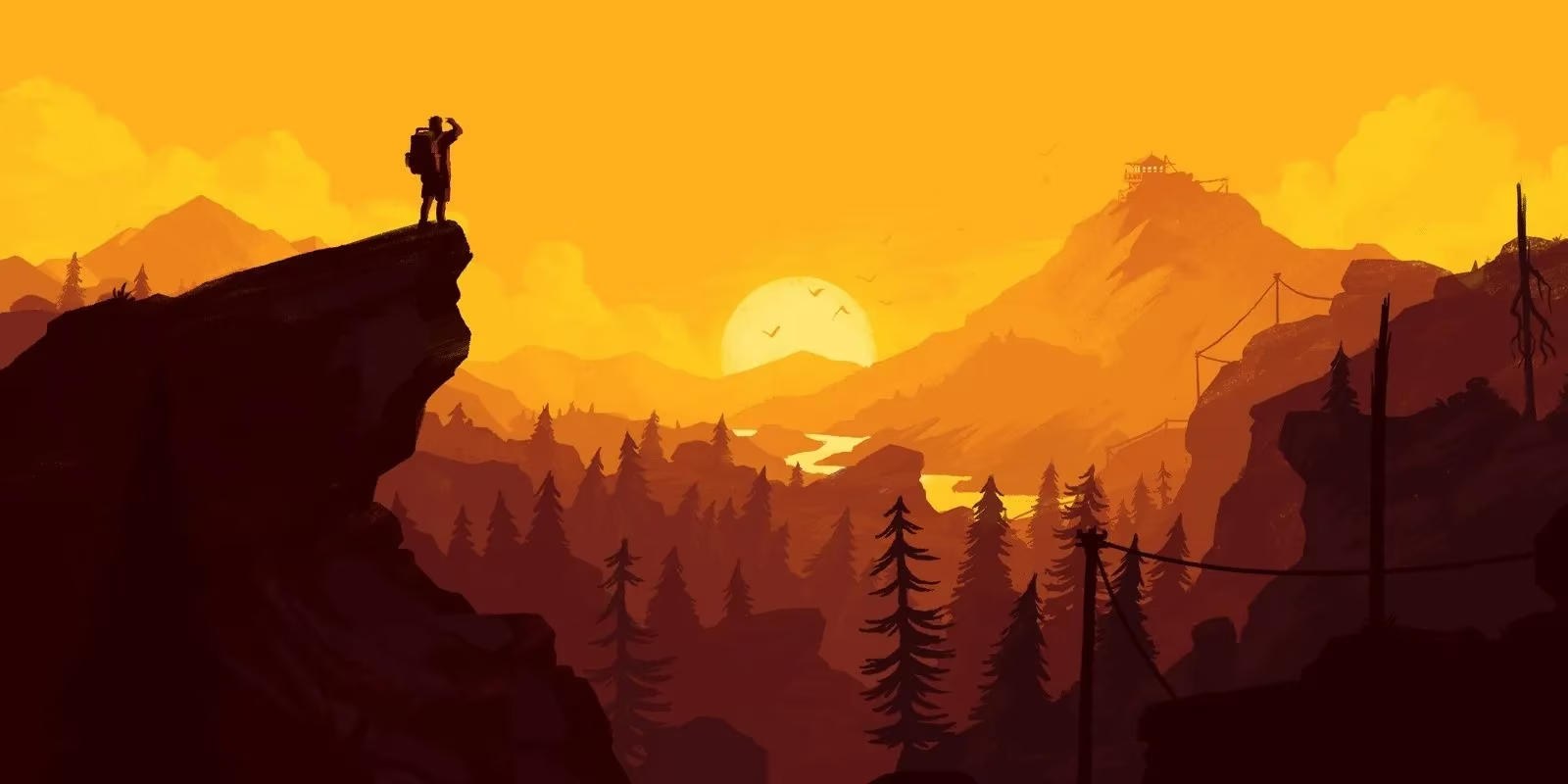
🔥 Firewatch: Warm Colors and Quiet Steps
After so much danger, Rowan needed silence. Firewatch became a slow, relaxing walk through refined cartoon-like scenery. Every step in this walking simulator feels like a stroll through digital art, and the warm color palette stands out immediately. Those colors make sense for a story shaped by the threat of wildfires. With only a supervisor's voice on a handheld radio for company, the player is alone in the wilderness, free to soak in the beauty and the stillness. Rowan found that Firewatch's art style does not shout for attention; it invites quiet observation instead.
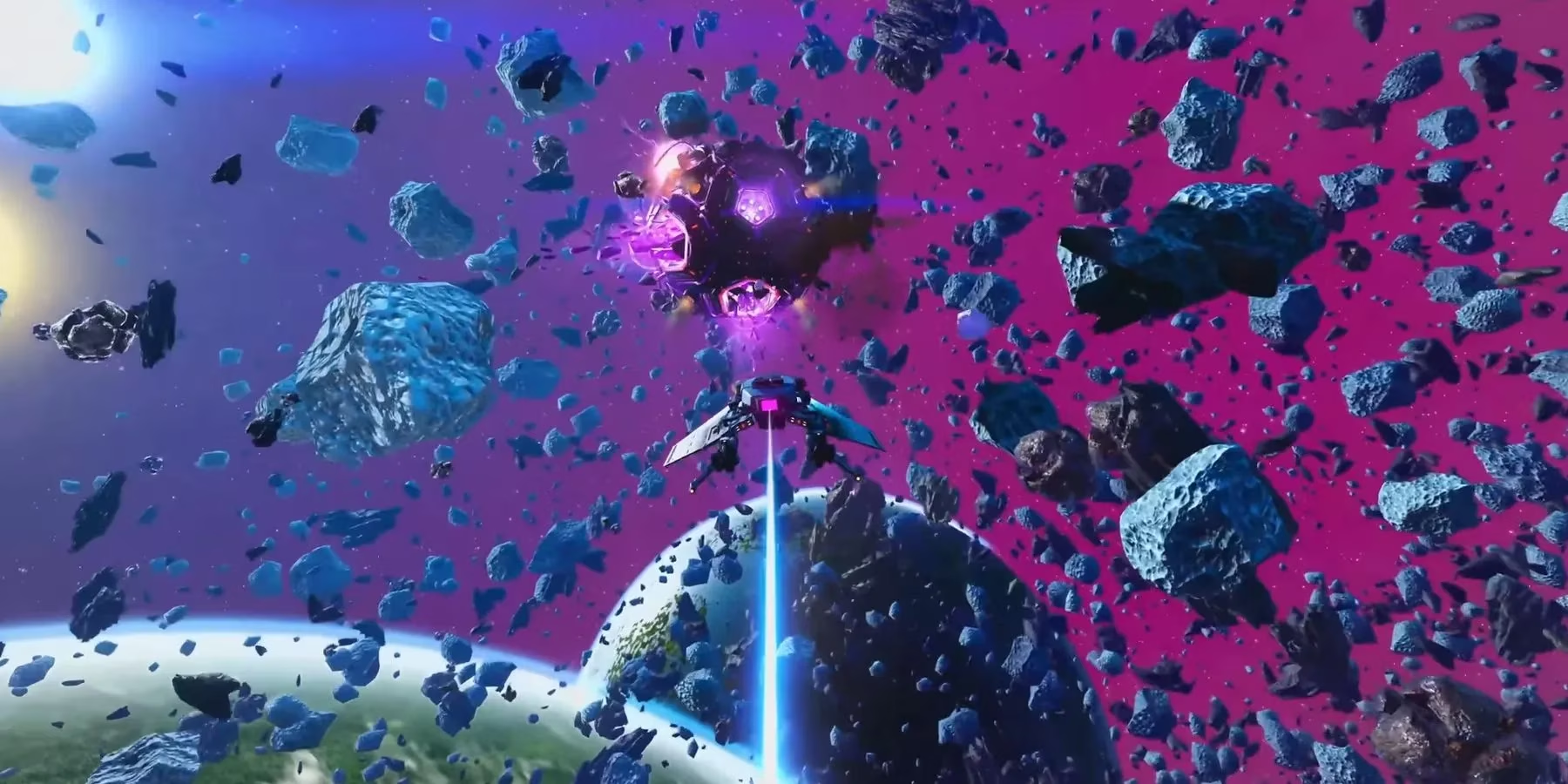
🌌 No Man's Sky: Soft Planets Without End
No Man's Sky sent Rowan into procedurally generated space, where a distinct aesthetic is part of the journey. Its soft rendering and serene color palette fit the game's calm, exploratory vibe. The colors and overall gameplay are so relaxing that many players treat it as a comfort game after a difficult day. As Rowan moved from planet to planet, new visuals and environments kept appearing, each one adding to the sense that the universe is vast, gentle, and full of quiet surprises.
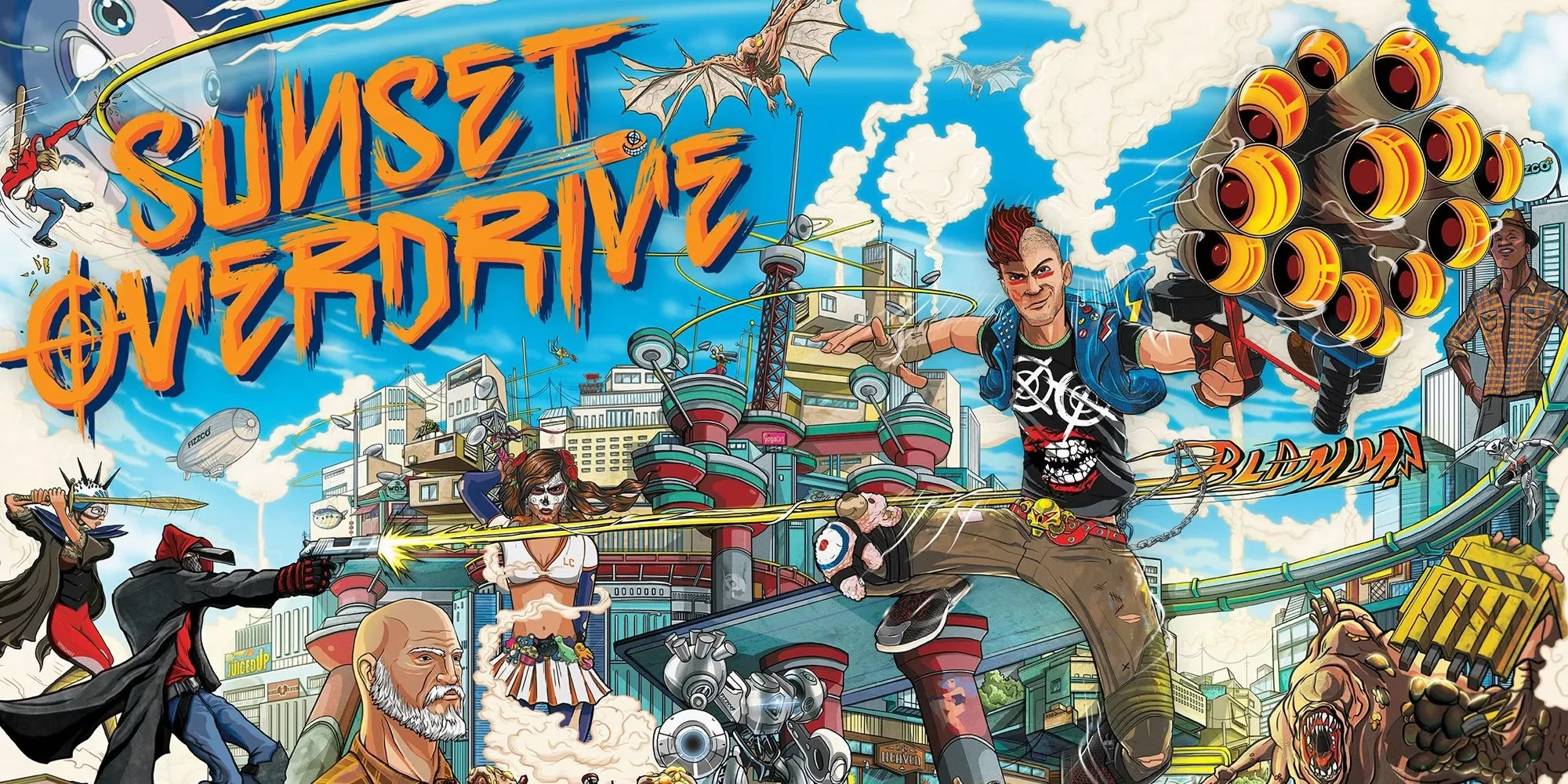
🛹 Sunset Overdrive: Punk Comic Chaos
Sunset Overdrive hit Rowan like a burst of color and noise. Its punk comic book aesthetic pops off the screen, and the gameplay matches that energy. The post-apocalyptic city is thoroughly saturated with color, while visual and sound effects are punctuated with comic book text. Rowan raced through the world using air dashes and grinding traversal mechanics, enjoying a style that feels fast, rebellious, and proudly exaggerated. Few open worlds commit so completely to their own visual language.
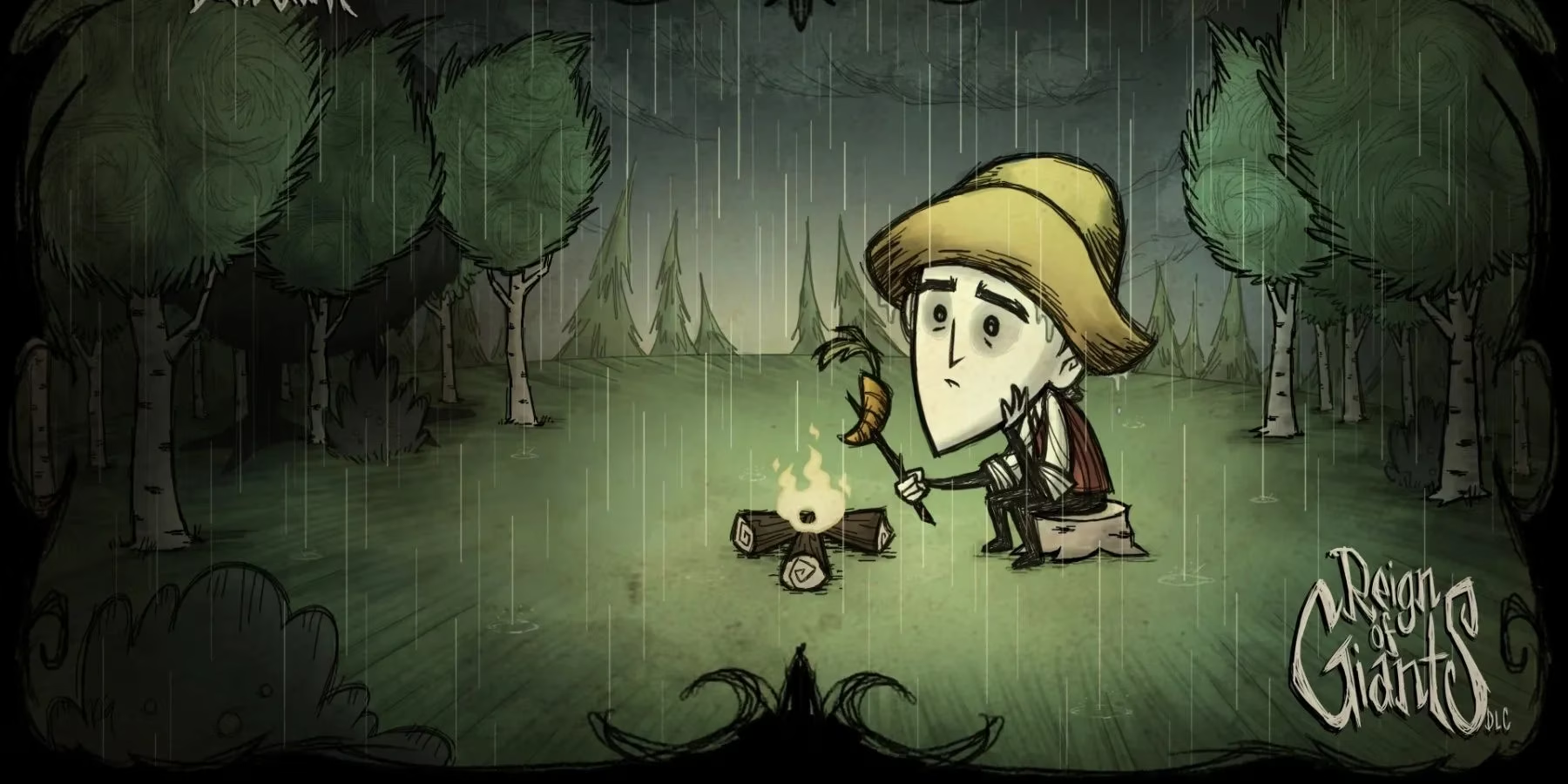
🌧️ Don't Starve: A Storybook That Bites
Don't Starve welcomed Rowan with Tim Burton-style visuals that are equally creepy and whimsical. Its 2D art would feel at home on the pages of an illustrated book, helping players believe they are part of a real story. Rowan took on the role of a Gentleman Scientist, with no further instructions and only survival instinct as a guide. Maps are randomly generated, so each playthrough offers a fresh chance to avoid starving and find a way home from the strange world. The art style makes every failure feel like a dark fairy tale.
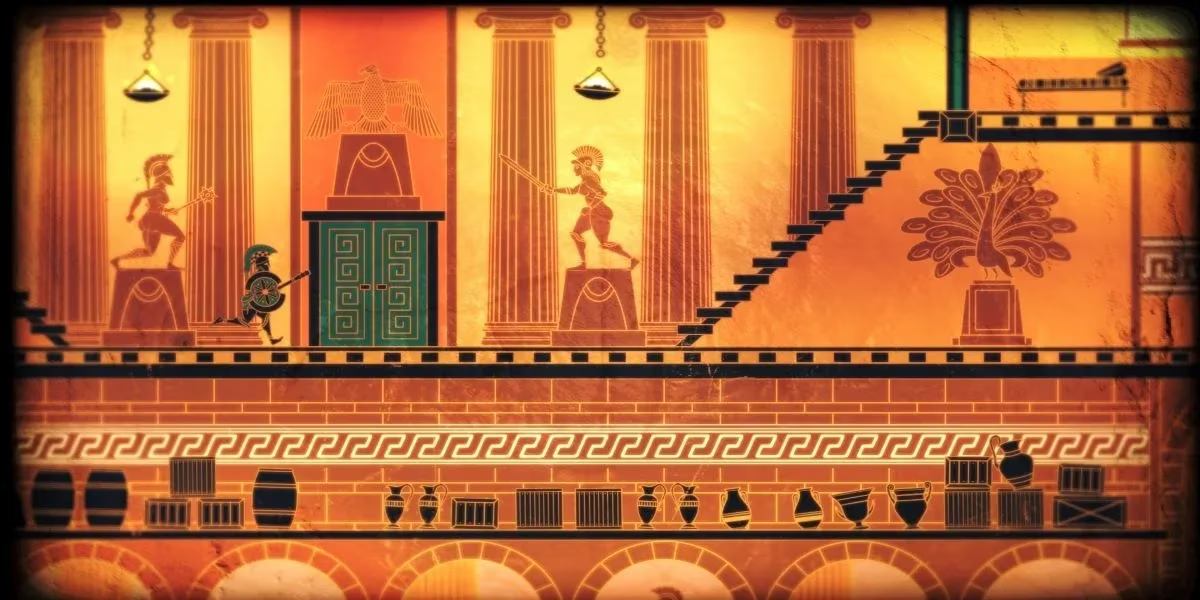
🏺 Apotheon: A Vase Come to Life
Apotheon gave Rowan one of the strangest and most beautiful sights of the journey. This open-world action side-scroller emphasizes stealth, but its design is inspired by the paintings that decorate Ancient Greek vases. Every frame could be a scene from a Greek vase, and previously static figures come to life to take part in classical combat. Rowan scaled Mount Olympus to challenge the Gods who had abandoned humanity, stealing their powers along the way. The visuals endear the game to fans of historically inspired worlds, and the style feels unlike anything else in the genre.
🗺️ Rowan's Field Notes
| Game | Visual Signature | Mood |
|---|---|---|
| Minecraft | Block-built simplicity | Playful and limitless |
| Valheim | Pixel figures in watercolor biomes | Rugged and serene |
| Hyper Light Drifter | Neon steampunk pixel art | Dark and vibrant |
| Firewatch | Warm cartoon wilderness | Quiet and reflective |
| No Man's Sky | Soft sci-fi color palettes | Calm and expansive |
| Sunset Overdrive | Punk comic book chaos | Fast and rebellious |
| Don't Starve | Tim Burton-style illustration | Creepy and whimsical |
| Apotheon | Ancient Greek vase painting | Mythic and dramatic |
By the end of the journey, Rowan had no doubt that open-world games can steal hearts through aesthetics alone. Whether a world is cute and cozy or surprisingly dark, a completely unique art style can draw players in and keep them exploring. In 2026, the lesson feels clearer than ever: the most beautiful open worlds are not always the most realistic ones. They are the ones that make players feel they have stepped into a place designed like no other.
Comments