On a gray Saturday in 2026, ten-year-old Maya opened the family console's storefront and chose four games by their covers: a shovel-wielding knight, a smiling cup, a tiny mountain climber, and a bug with a nail. Her father watched from the couch, remembering how three of those covers had fooled him too. The games looked like cartoons. They played like exams. That gap between a friendly face and a merciless rule set is the heart of this story—and the reason some titles deserve a grown-up co-pilot.
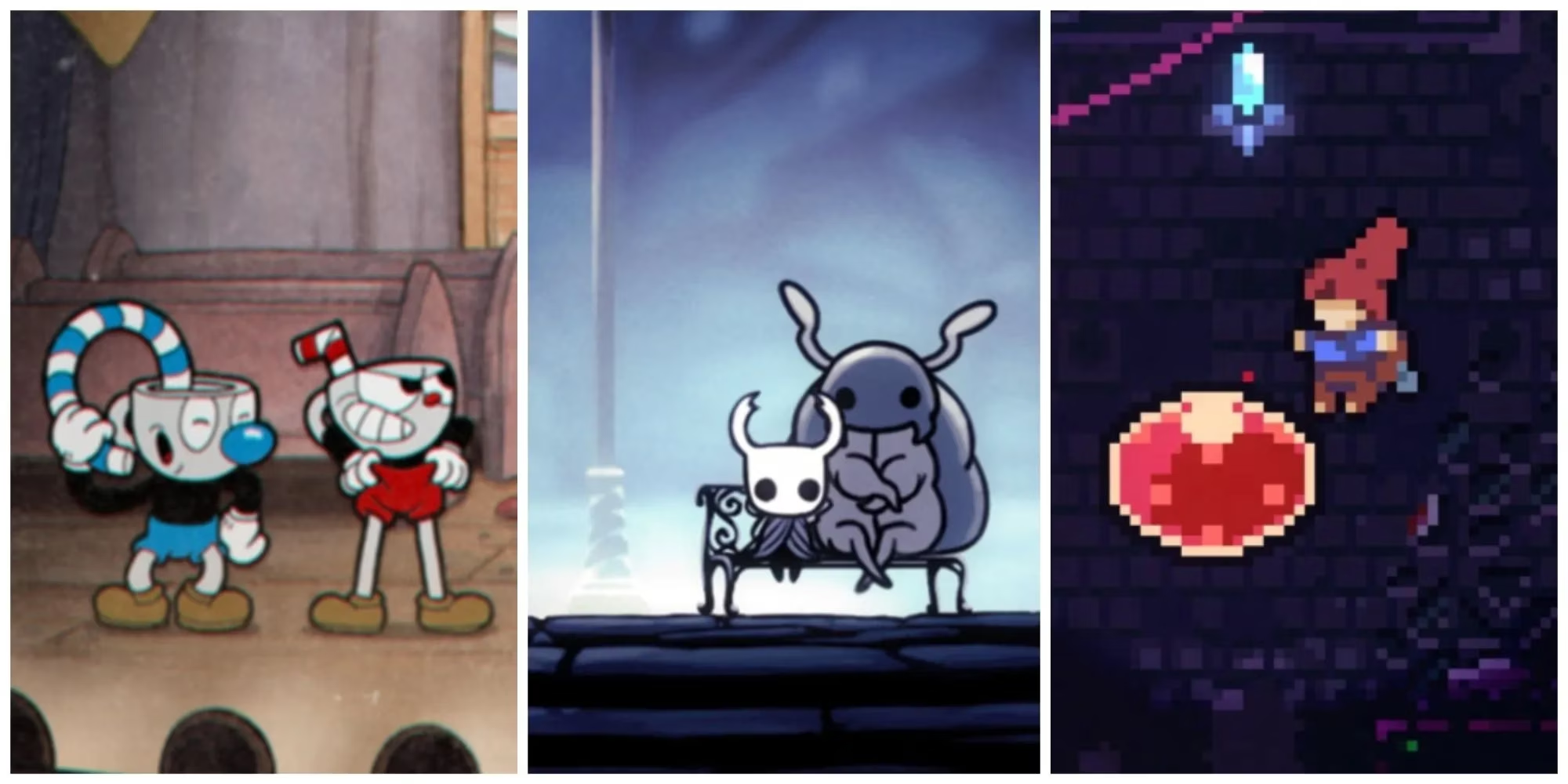
The Smiling Traps
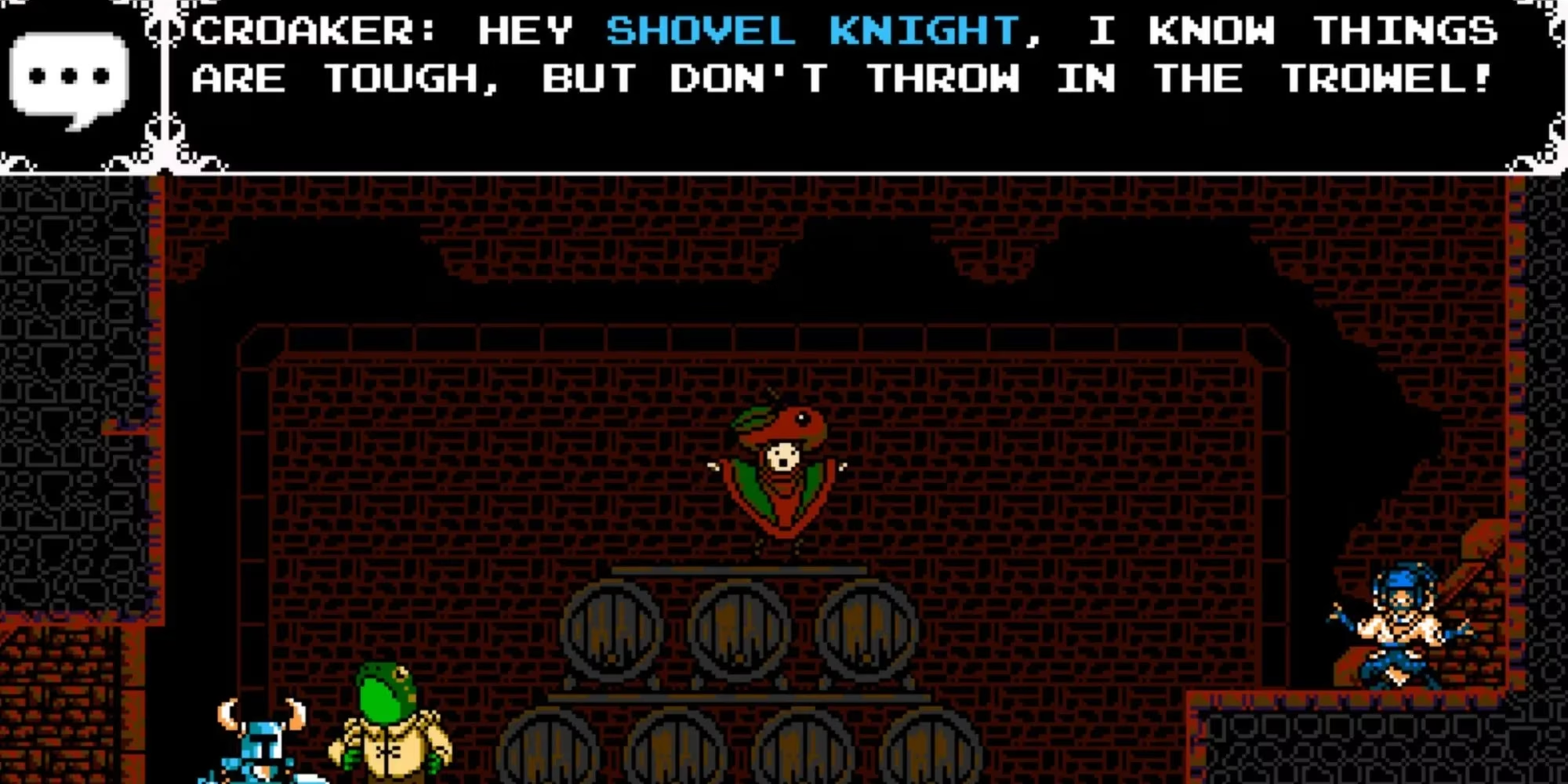
Shovel Knight arrives dressed like a Saturday-morning cartoon, all chunky pixels and heroic fanfare. It is a love letter to old-school NES games, and like many love letters, it hides a sharp edge. Early stages welcome small players with gentle jumps and readable enemies. Then the environment begins to tighten, bosses learn new tricks, and death takes the currency straight out of the hero's pocket in a perfect soulslike fashion. Upgrades slow down. The smile stays. The difficulty does not. And boy, does it bite back.
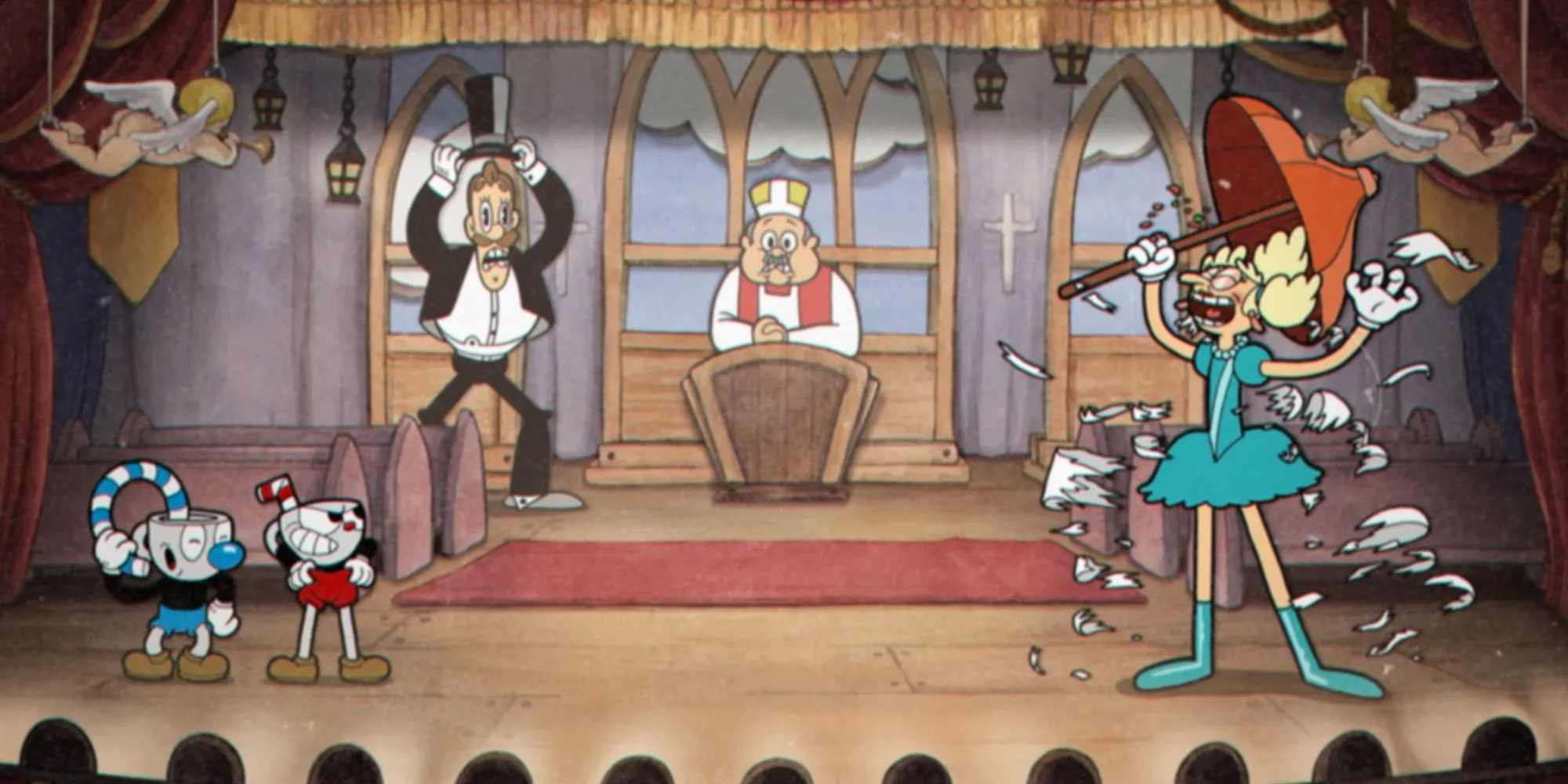
Cuphead is the master of first impressions. Its cartoon art style and unique creation process draw in anyone who ever loved classic Disney shorts. The game doffs its straw hat, pours a glass of charm, and then throws a fiery boss at the player with zero apology. Beautiful levels turn deadly, and boss fights grow longer and more complicated. Cuphead pulls its punches for no one. Kids may laugh at the animation; adults may sweat through the run-and-gun patterns.
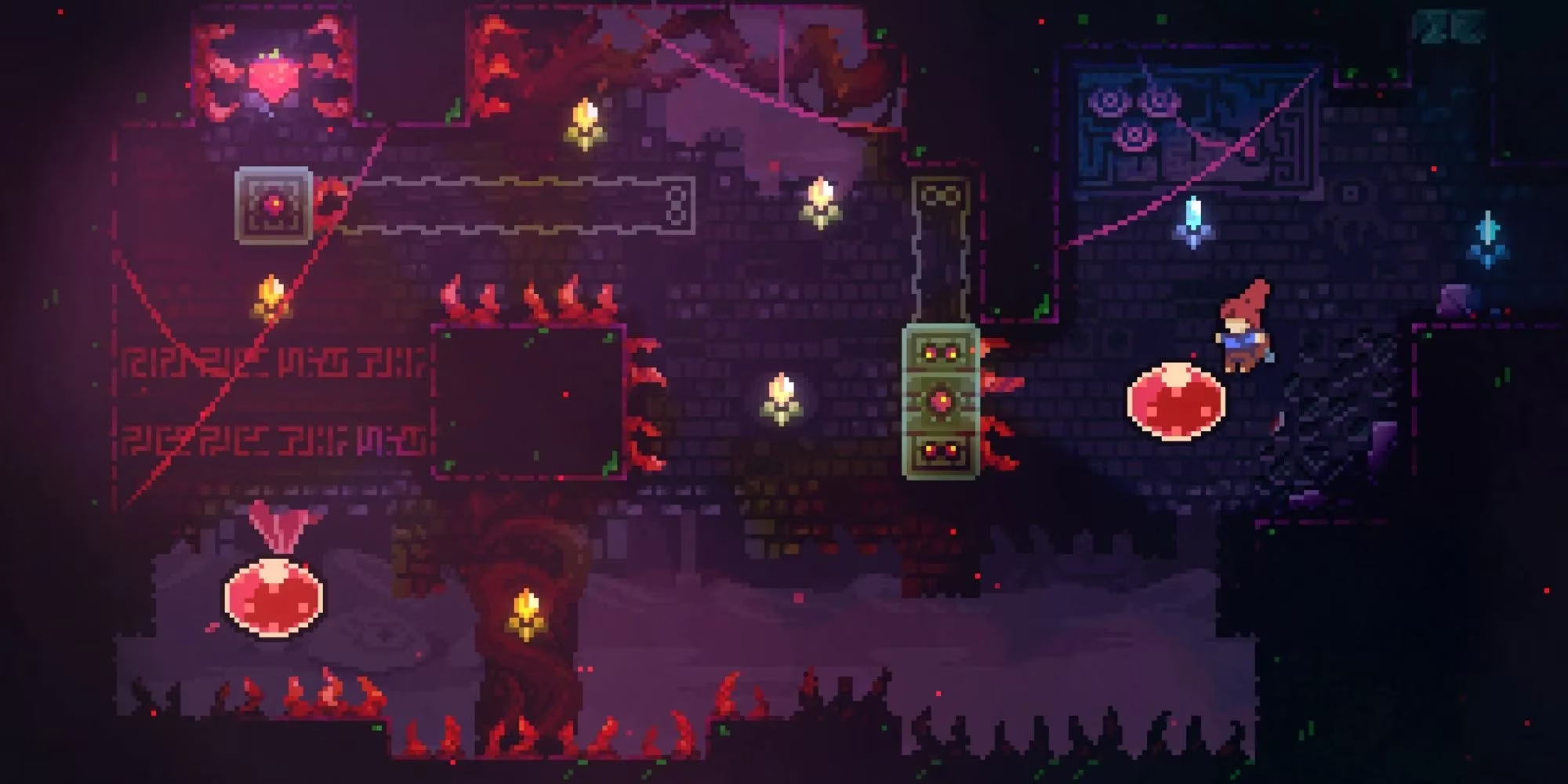
Celeste offers a warm hug in pixel-art form. The controls feel natural and intuitive, and exploring the mountain with its few but memorable characters is a pleasure. Later stages ask for precise jumps and near-perfect timing, and the story's themes suit young adults more than young children. Patience. Practice. A pillow nearby. No shame in that.
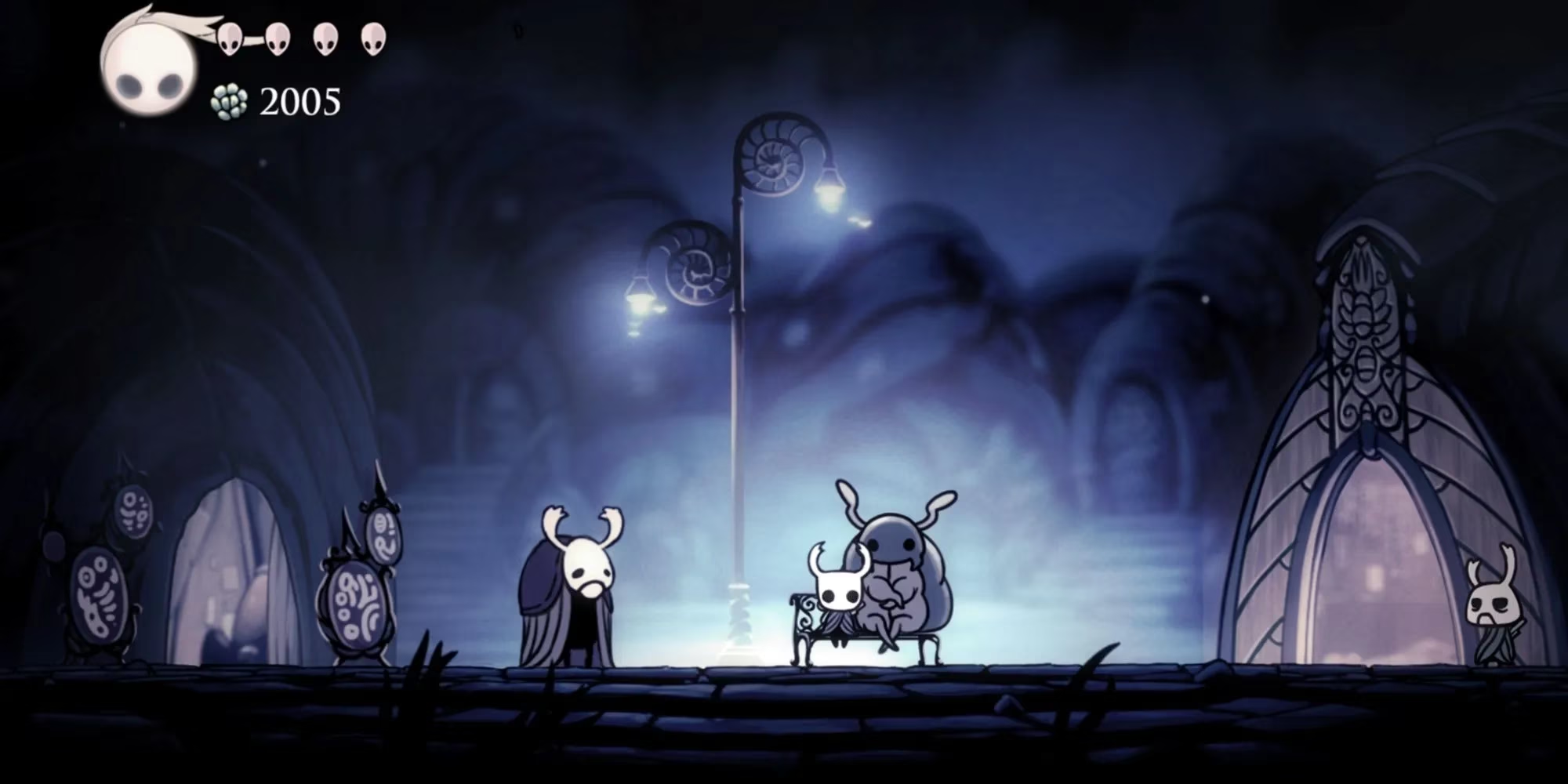
Hollow Knight bows politely behind charming visuals and character design, then reveals a brutal soulslike experience that has toppled many adults. Fast, hard-hitting mobs hide around corners. Bosses can take hours, each with its own story and combat mechanics. The narrative also takes dark turns through implications and hints. A child may adore the bug knight's silhouette; the bug knight may politely demand emotional and mechanical readiness.
Spelunky waves with bright colors, cute bobblehead characters, and endless action. Then it drops a one-hit-KO rule, surprise attacks, traps, and a time limit on every level. Most players need patience just to pass the first stage. The game does feature multiplayer, so braver guardians can try to carry younger players as far as possible without someone getting blown up.
Geometry Dash is friendlier at the gate. Early levels are forgiving enough for smaller children, but the game soon throws quick, complicated stages at the player, requiring even seasoned adults to give it their best. With practice, players of all ages can travel far and enjoy the soundtrack and visual rollercoaster. In 2026, community-made levels still keep the challenge fresh.
The Systems That Bite
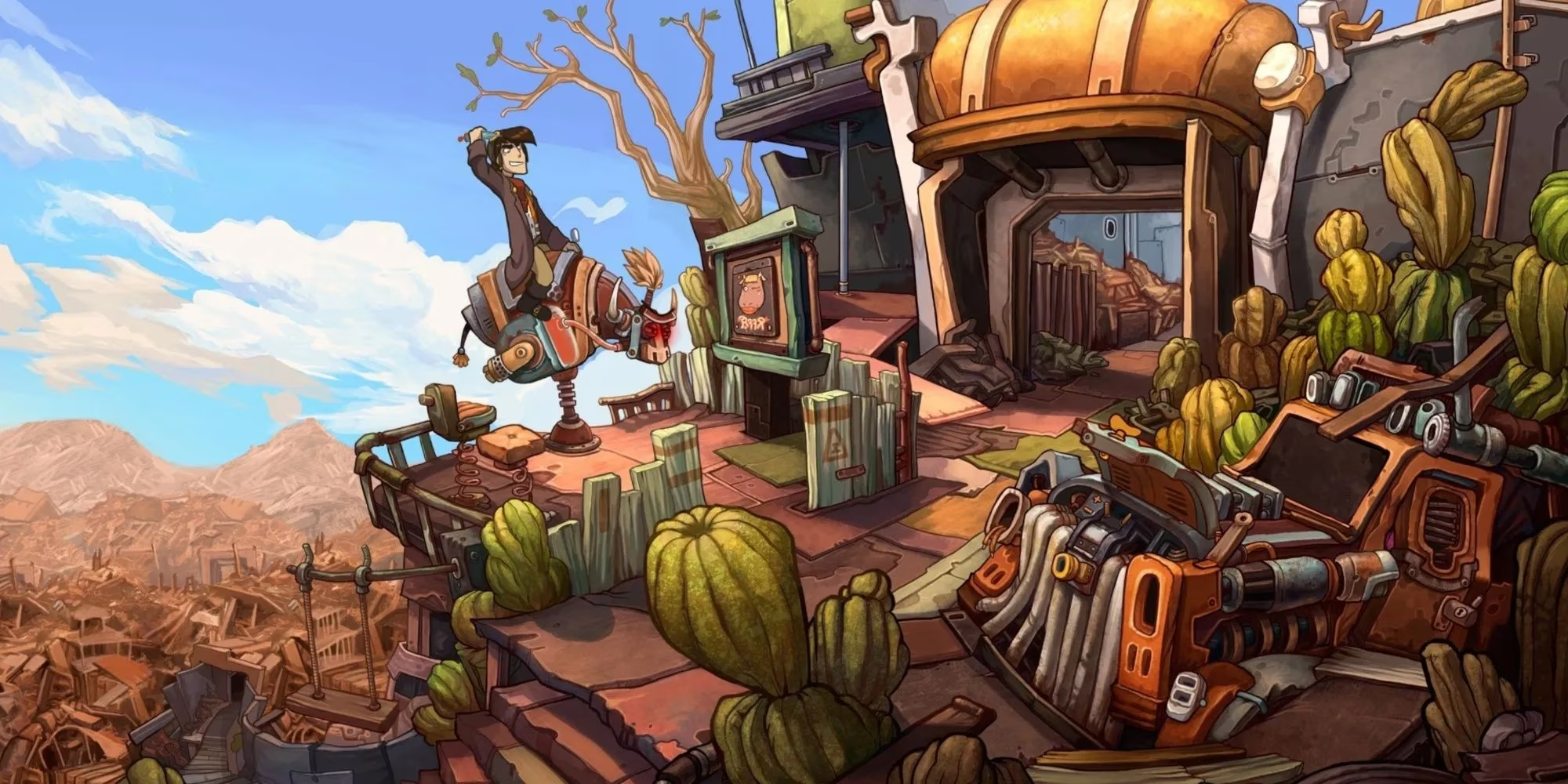
Deponia smirks behind a beautiful, quirky point-and-click adventure. Children may enjoy roaming and interacting with the world, but the puzzles arrive with brutal and obscure logic that halts even adults. These mind-bending challenges can intrigue kids and exasperate them in the same breath. That is the trick.
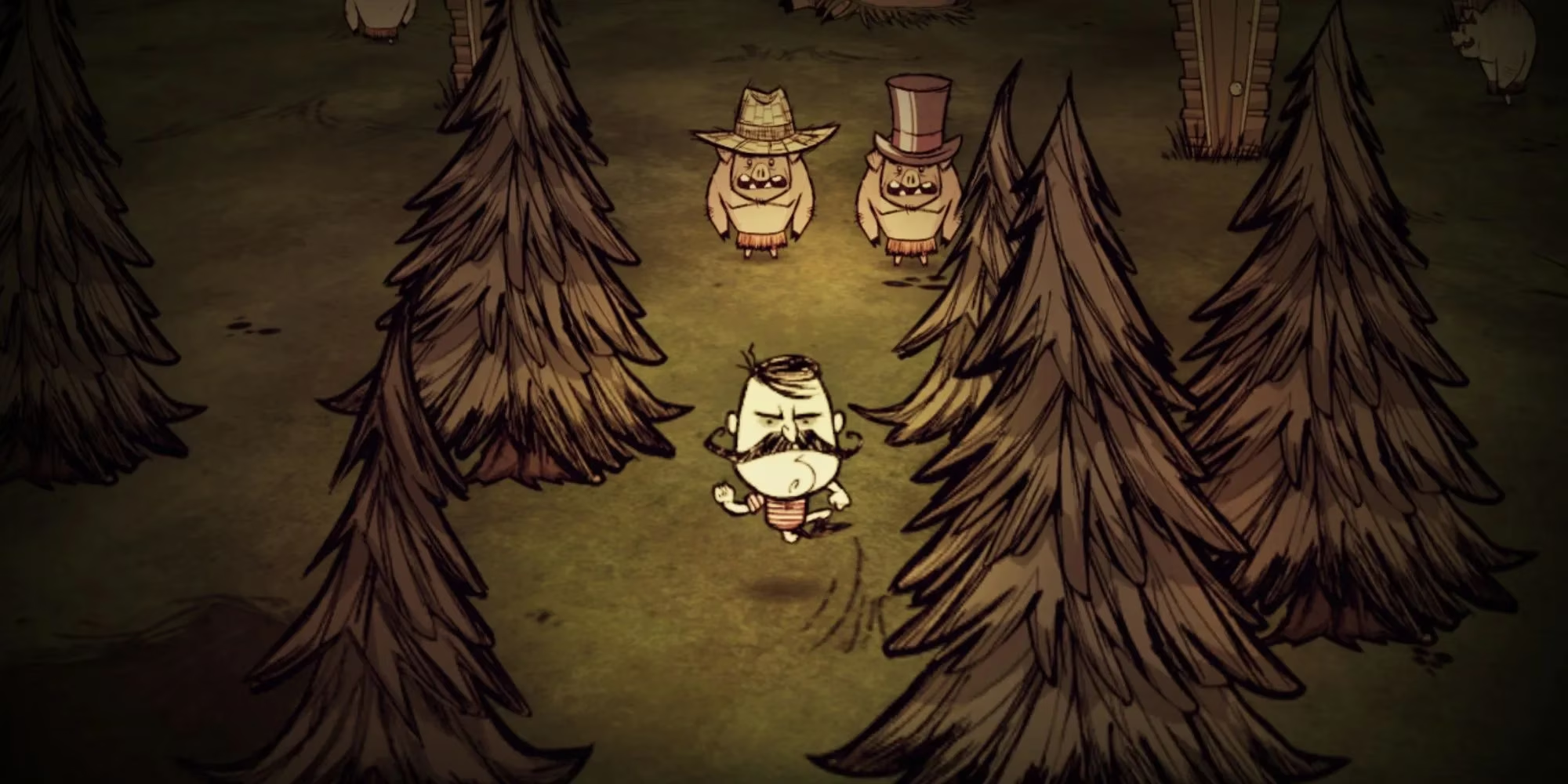
Don't Starve looks inviting with its charming, cartoonish art style, but its survival world is hostile and complex. There are many systems and indicators to track, and themes like insanity and shadow death monsters may shock younger children. The game grins through the campfire smoke while handing over a checklist of hunger, sanity, and danger.
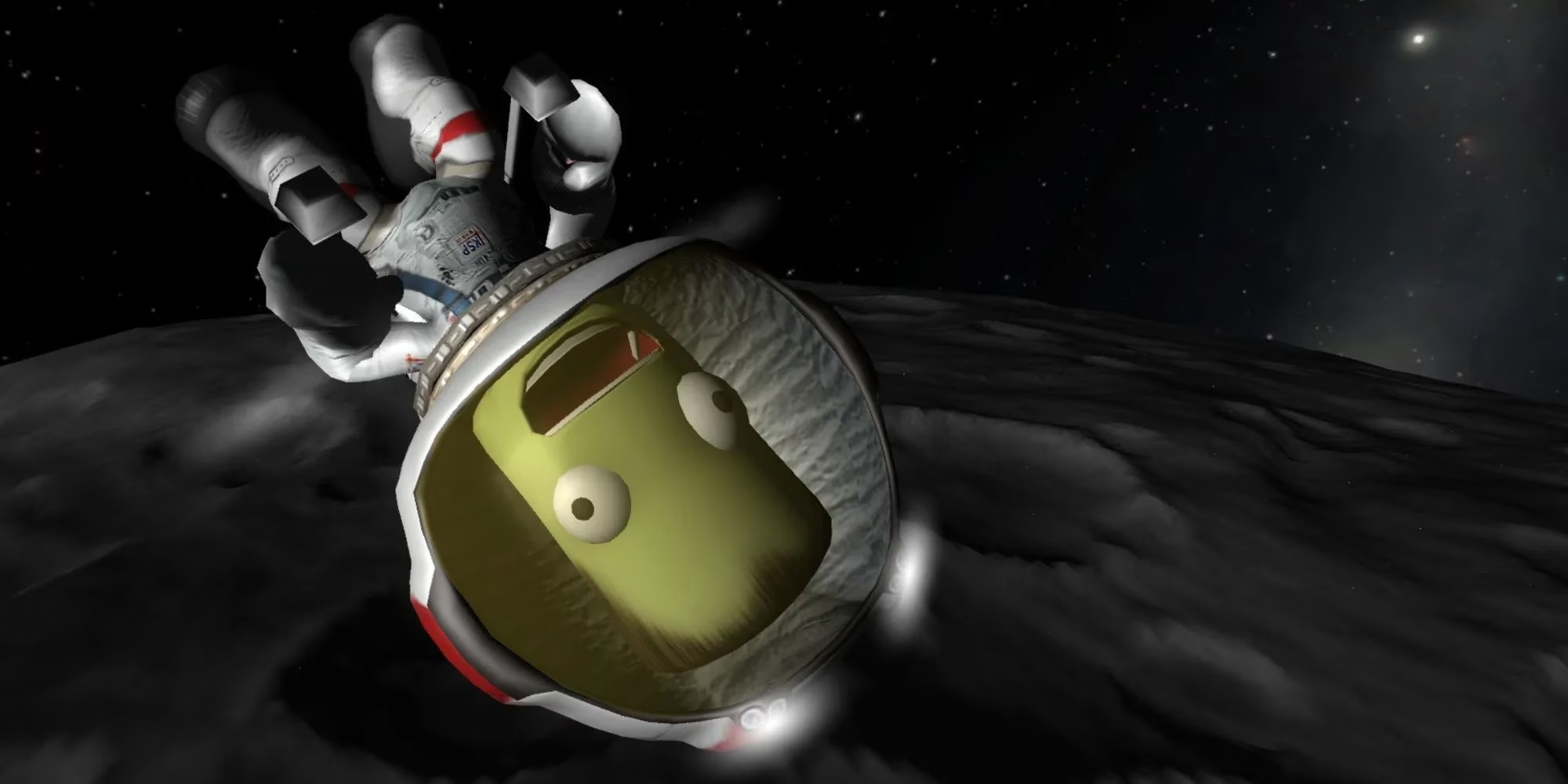
Kerbal Space Program hands over a rocket and a flight manual thicker than a phone book. Its complex physics, engineering, and orbital mechanics make it a superb educational tool for enthusiasts and adults. The adorable Kerbals run the show, but the steep learning curve and intricate controls can overwhelm kids who are still developing the needed patience and problem-solving. A soft landing helps—eventually.
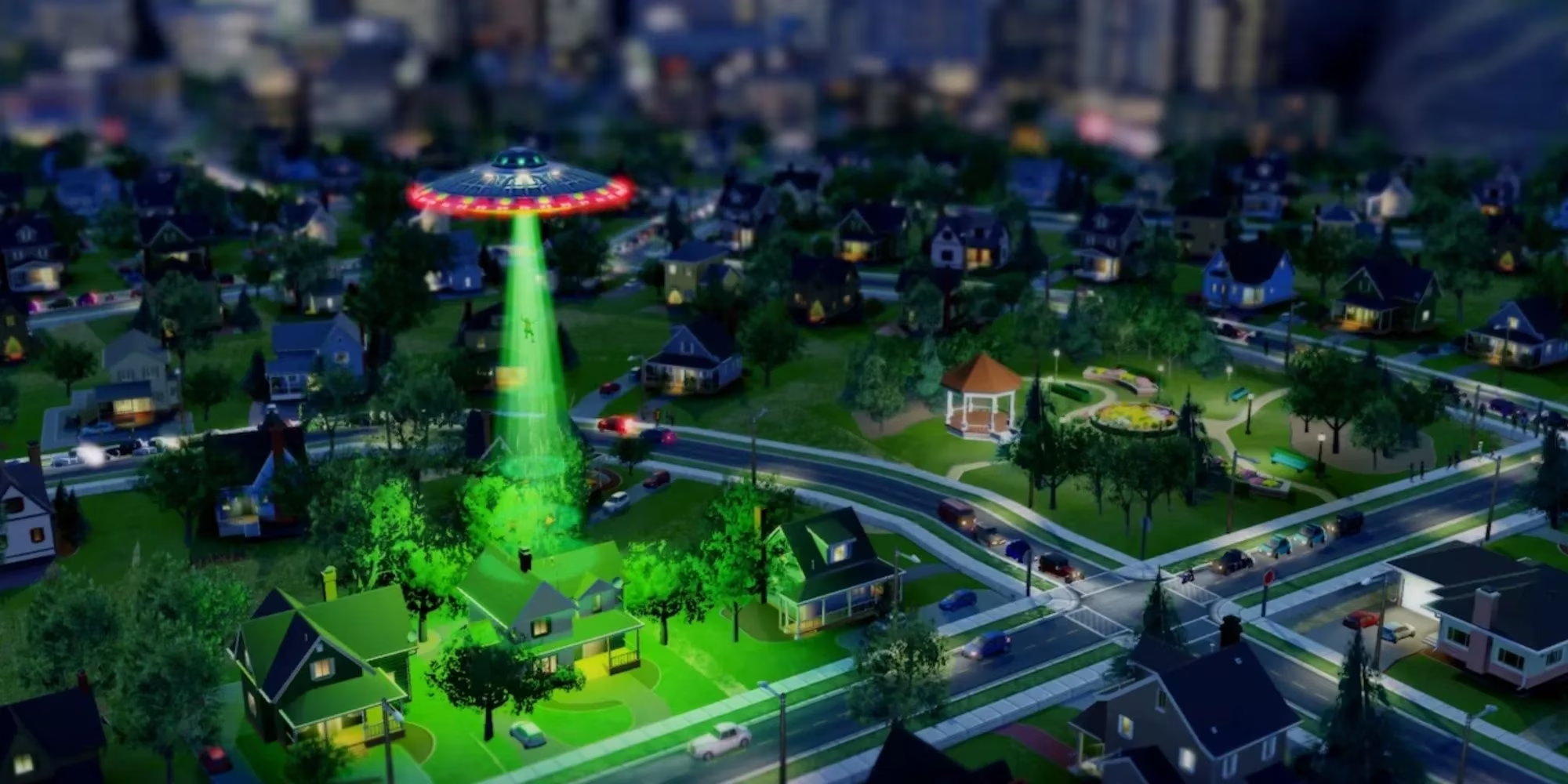
SimCity invites imagination with tools and an unlimited budget. In classic mode, resource management and constant problems can frustrate a younger audience. The sandbox still offers a wonderful escape: children can build roads, summon disasters, and meteor their own creations with glee. Sometimes the best lesson is that a city can always be rebuilt.
A Co-Pilot Seat, Not a Barrier
| Game | Kid-friendly face | What bites back | Best setup |
|---|---|---|---|
| Shovel Knight | Retro hero and catchy music | Bosses, lost currency, sharp stages | Short sessions with save points |
| Cuphead | Classic cartoon charm | Merciless bosses and run-and-gun levels | Adult co-pilot and lots of laughter |
| Celeste | Gentle pixel-art mountain | Precise jumps and mature themes | Practice mode and patient encouragement |
| Hollow Knight | Cute bug knight | Soulslike combat and dark story | Older kids who like a challenge |
| Spelunky | Bright caves and bobbleheads | One-hit KOs, traps, time limits | Multiplayer with a brave guardian |
| Geometry Dash | Simple first levels | Fast, complicated later stages | Community levels and steady practice |
| Deponia | Quirky adventure world | Obscure puzzle logic | Shared puzzle-solving |
| Don't Starve | Cartoon survival style | Harsh systems and dark themes | Older players, supervised sessions |
| Kerbal Space Program | Adorable Kerbals | Physics, orbital mechanics, controls | Educational co-play |
| SimCity | City-building imagination | Classic-mode resource pressure | Sandbox mode first |
In 2026, the family group chats still light up with the same question: which game is right for a child today? The answer is not a simple age rating. It is a conversation about patience, supervision, and the kind of frustration a player can turn into fun. Maya and her father eventually chose Celeste for short evening sessions and SimCity for loud, silly weekends. They left Hollow Knight on the shelf for a later year. The box smiled. The mountain waited. That was enough for one Saturday.
This discussion is informed by PEGI, whose age-rating guidance helps explain why a cheerful visual style does not always equal child-ready play. In the case of games like Hollow Knight, Cuphead, or Don't Starve, content intensity, thematic darkness, and punishing mechanics can sit beneath bright art direction, making parental review and co-play more useful than judging a title by its cover alone.
Comments